

Why Summer Is the Perfect Moment to Help Teens Escape the Screen Trap
New Child Development findings reveal that late-night scrolling is a direct pipeline to higher rates of anxiety, lower self-worth and disturbed sleep.
- Key numbers at a glance*
- 50 % of U.S. adolescents feel hooked on their phones, according to self-report surveys
- 70 % surge in youth anxiety and depression over the last twenty years
- First-ever experimental evidence tying nighttime cellphone use to measurable declines in mental well-being
- —
How the Study Worked
A controlled trial tracked hundreds of 13- to 18-year-olds for twelve weeks. Participants who used their devices after lights-out showed:
- Longer sleep onset – it took them on average 34 extra minutes to fall asleep
- Shorter deep-sleep phases – cutting restorative slow-wave sleep by nearly one hour per night
- Higher next-day cortisol – the stress hormone spiked 19 % compared with non-device nights
The cascade effect was unmistakable: restless nights fed next-day lethargy and irritability, which in turn predicted lower grades, more social conflict and heightened depressive symptoms.
Psychologist Lisa Damour, speaking to CBS News, summarized the breakthrough:
“Instead of merely observing correlations, we now see a pathway. Night-time phone use → poor sleep → fragile mental health → acting out or shutting down.”
- —
Why Summer Break Offers a Fresh Start
With no morning bells or homework marathons, June-through-August is the single best window to:
- Reshape routines without academic fallout
- Replace screen-lit nights with stargazing or fire-pit chats
- Reclaim the circadian rhythm that is still flexible in the teen brain
- —
Five Low-Friction Ideas for Parents
- Sunset surrender box – everyone drops phones at 8 p.m.; the first to reach for theirs unloads the dishwasher.
- Night-owl hikes – a short 9 p.m. neighborhood loop wears bodies out and syncs them to darkness.
- Glow-free camping – pick sites with no signal; old-school board games replace Insta-scrolls.
- Skill-swap evenings – one teen teaches juggling, another shows watercolor; phones stay inside on airplane mode.
- Progressive curfews – allow 20 minutes later bedtime each successful screen-free week as a reward.
- —
Bottom Line
The study demolishes the “just one more text” myth. Late-night screen use isn’t harmless; it rewires adolescent sleep and mood circuitry in weeks, not years. Sunshine, movement and face-to-face laughter may be the most powerful anti-anxiety tools on the planet—and summer is the season that hands them to us for free.
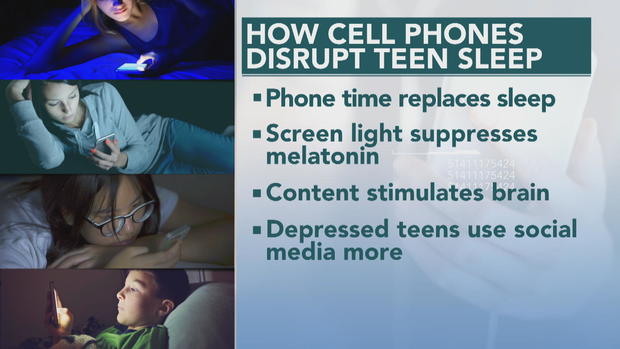
How Screen Time After Dark Hurts Teens—And a Simple Parenting Hack
Any Glow at Bedtime Is Still a Problem
The content on the screen doesn’t change the outcome. Even when adolescents are messaging friends, streaming music, or sharing harmless memes after lights-out, the blue light, buzzing alerts, and constant mental stimulation chip away at precious hours of sleep. Pediatric psychologist Lisa Damour notes that lost sleep—no matter how “appropriate” the activity—is still lost sleep, and the fallout ranges from mood swings to lower grades.
Intervene Before the Habit Hardens
Damour’s key advice: act while kids are still in elementary school. Once nighttime scrolling becomes routine, it’s far harder to overturn. Instead of waiting for middle-school drama or high-school finals to expose the problem, set the groundwork early.
The Power-Strip Rule
Here’s a three-step plan that families can start tonight:
- Create a “charging station”—a simple power strip on the dresser in the parents’ bedroom.
- Enforce a universal plug-in deadline, say 9 p.m. for grade-schoolers, 9:30 p.m. for middle-schoolers.
- Parents follow suit. When adults park their own devices in the same place, it stops feeling like a punishment and starts feeling like the family norm.
Modeling Rest Makes It Stick
The most overlooked yet powerful tool is parental example. When mom and dad silence alerts, stash phones outside the bedroom, and read paperback books under soft lamplight, teens learn by watching. Over time, the nightly migration of devices becomes as automatic as brushing teeth—protecting not just tonight’s sleep, but the developing brain’s long-term resilience.

Screen Time is Stealing Teen Girls’ Sleep—and Moms and Dads Are the First Line of Defense
H2 Why Teenage Girls Are Losing the Most Rest
A new CBS News–featured investigation drives home a stark reality: adolescent girls are the demographic most harmed when nighttime scrolling replaces shut-eye. Lisa Damour, the study’s lead psychologist, explains that even before smartphones existed, girls already slept fewer hours than boys; tech simply piled on the pressure.
H3 Three Facts That Worry Experts Most
- Depression rates are spiking in parallel with shrinking sleep windows.
- Blue-light exposure delays melatonin release, meaning girls feel wide-eyed long past bedtime.
- Social feeds reward late-night posting behaviors, compounding the problem.
H2 What Parents Mistakenly Assume
Many adults believe their kids know when to power down. According to Damour, that view is flawed: teenage brains are wired for risk-taking and peer approval, not prudent sleep schedules. The only consistent solution is a household-wide digital curfew that applies to adults too.
H3 A 4-Step “Electronics Off” Blueprint for the Whole Family
- Pick a realistic deadline—say, 9:30 p.m.—and stash every screen in the kitchen.
- Trade devices for books or simple board games, so no one feels punished.
- Model the habit yourself: when parents visibly unplug, compliance jumps.
- Track the payoff: after seven days, most teens report better mood and sharper focus.
H2 One Simple Rule That Works for Everyone
“We can call it universal bedtime hygiene,” Damour insists. No glowing rectangles in bedrooms, no exceptions. When the policy is framed as family teamwork—rather than a draconian ban—kids comply faster and the benefits ripple outward: lower anxiety, steadier grades, and mornings that no longer begin with a yawn.


