Spain’s Quiet Housing Movement
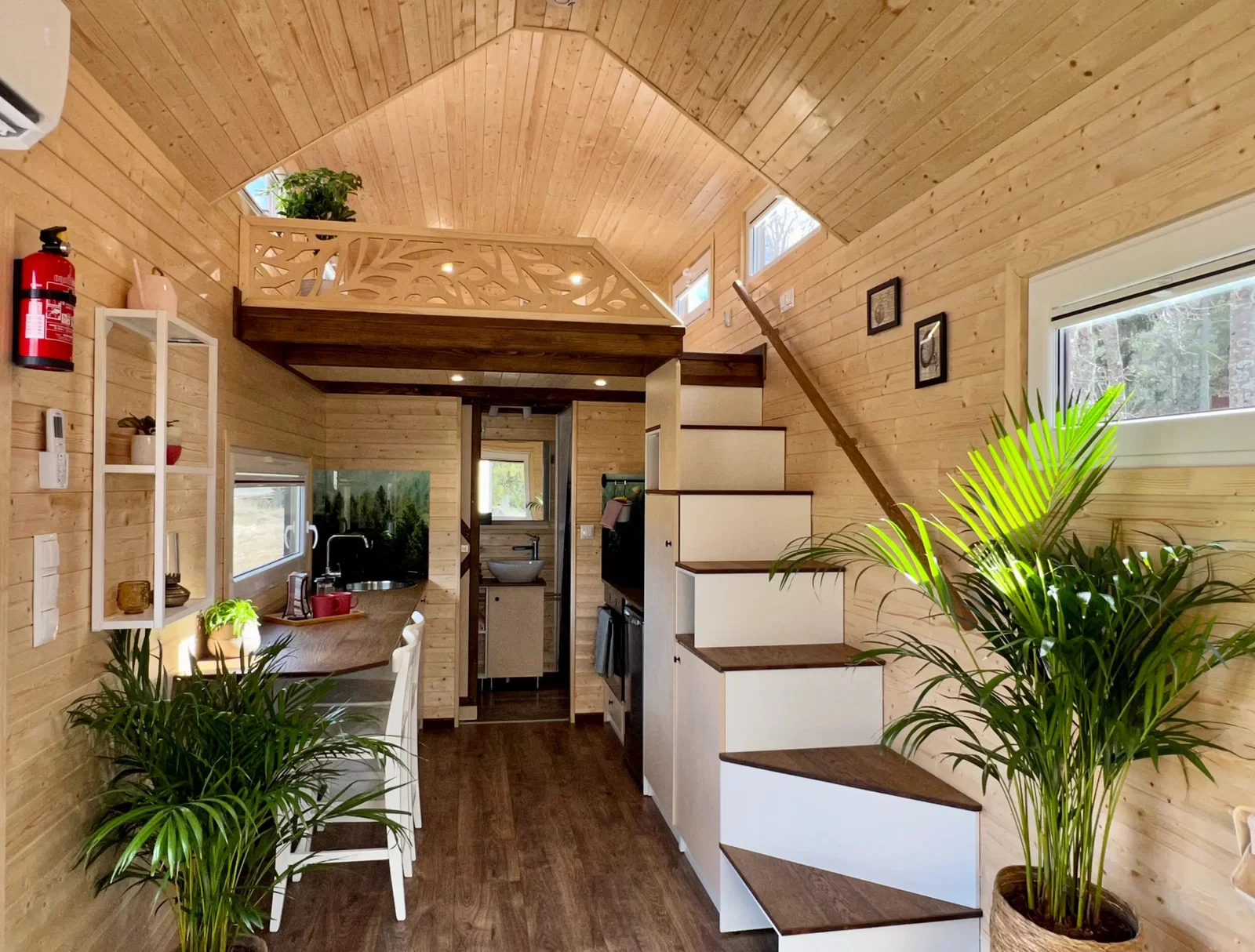
Across the nation, a new housing trend is quietly emerging — not through towering skyscrapers or expansive suburbs, but through small, mobile, and energy‑efficient dwellings known as tiny homes. These compact spaces, called mini casas in Spanish, are steadily gaining popularity among a diverse range of residents.
Why Tiny Homes Matter
- Affordability – As living costs rise, tiny homes offer a practical and economical housing solution.
- Environmental Benefits – Mini casas are designed to be energy‑efficient, reducing their ecological footprint.
- Adaptable Lifestyles – These spaces cater to evolving lifestyles, providing flexible and mobile living arrangements.
Broader Appeal
From students to families, the simplicity and versatility of mini casas are resonating with a wide demographic, indicating a promising future for this innovative housing model.
Affordability in a Tight Housing Market
Spain’s Housing Tightening: A Tiny‑Home Solution
Urban Pressure in Madrid, Barcelona & Valencia
Over the last decade, the rental and property markets in Spain’s major cities have tightened sharply. Young adults and those striving for financial independence now face steep price hikes, leaving many unable to secure affordable bedrooms.
Enter Tiny Homes: A Compact, Cost‑Effective Alternative
Tiny houses—normally from 15 to 40 m²—offer a pragmatic escape. Their modest footprint cuts construction costs, lowers utility bills, and encourages a streamlined lifestyle that appeals to minimalists and sustainability advocates alike.
Key Benefits
- Lower construction costs – Smaller square metres mean cheaper foundation and building materials.
- Reduced utility bills – Compact living translates to lower heating, cooling and electricity consumption.
- Environmental impact – Resizing living space dramatically shrinks a household’s carbon footprint.
- Flexibility – Either mobile or stationary, tiny homes cater to diverse relocation and convenience needs.
Price Snapshot in Spain
The cost of a tiny house depends on size, materials, and customization options:
- Movable models (basic) – Approximately €15,000.
- Stationary models with foundations and full amenities – Ranging from €40,000 to €70,000, often cheaper than traditional housing across urban and rural settings.
- Large, fully equipped mini “casas” – Up to €70,000.
Flexibility for Modern Living
Some tiny houses are designed for mobility, allowing owners to relocate without the traditional hassles of selling property. Others are stationary yet fully equipped with modern amenities, offering convenience in a compact form.
Conclusion
For Spain’s rapidly tightening housing market, tiny homes provide a viable, affordable, and flexible option that aligns economic savings with environmental responsibility.
Rural Roots and Urban Interest
Sprawling Tiny Home Trend Reaches Spain’s Remote Villages
Rural Revitalization Through Compact Off‑Grid Living
Spain’s sparsely populated provinces—Teruel, Soria, and Lugo—are experiencing a quiet surge in tiny home projects. These regions, celebrated for their pristine landscapes yet challenged by demographic decline and economic stagnation, are welcoming those in search of affordable, self‑sustaining lifestyles.
Local Councils Providing Incentives and Simplified Permitting
Municipalities are actively supporting this movement by offering financial rewards and streamlined regulatory processes. The initiative is part of a wider strategy aimed at halting rural depopulation and fostering sustainable tourism.
Coastal Adoption Among Remote Workers and Creative Entrepreneurs
Spain’s sun‑kissed shores—Andalucía and Cataluña—are home to tiny homes that serve the preferences of remote workers, artists, and entrepreneurs. The homes combine proximity to urban amenities with a strong environmental ethic.
Tarifa Residents Voice Tiny Home Advantages
People living near Tarifa, Cádiz, discuss the benefits of tiny housing, emphasizing:
- Minimal Upkeep—less maintenance for a simpler life.
- Own Vegetable Production—the ability to grow fresh food directly on site.
- Lower Electricity Costs—significantly reduced energy expenditures.
Understanding Photo Credits
Photo credits allow creators to receive acknowledgment for their visual work.
The Role of Photo Credits
Photo credits serve as a vital link between image creators and users.
Why Photo Credits Matter
- Legal recognition protects original creators.
- Credits enhance credibility for publications.
- Sharing credits fosters collaboration among photographers.
How to Use Photo Credits
When citing images, include correct photo credit statements.
Photo Credits and Pinterest
Pinterest hosts countless images; proper photo credits ensure content integrity.
Navigating the Legal Landscape
Regulating Tiny Homes in Spain
Movable vs. Immovable Tiny Homes
Movable Tiny Homes
- Classification: Treated like caravans.
- Permits: Generally no building permits are needed.
- Local Rules: Must adhere to municipal zoning and land‑use laws.
- Placement: Only on land where temporary use is legally allowed (varies across towns).
Immovable Tiny Homes
- Legal Status: Considered real property.
- Architect’s Project: Required for formal approval.
- Building Permits: Licencia de obra must be obtained.
- Building Code Compliance: Must follow the Código Técnico de la Edificación.
- Urban Land: Placement must be on land designated for urban development.
Consequences of Non‑Compliance
- Fines: Significant monetary penalties.
- Demolition Orders: Small homes may be ordered to be removed.
- Legal Action: Possible court proceedings, especially for unauthorized construction on rural land.
Financing Your Tiny Home
b>Emerging Tiny‑Home Financing in Spain
c>Why Conventional Mortgages Don’t Work
Movable tiny homes are classified as personal property, much like caravans.
Traditional lenders rarely approve mortgages for these units, forcing buyers to turn to personal loans or savings.
c>New Construction‑Loan Pathways
- Self‑Build Mortgages – Banks now offer mortgages for tiny homes that are permanently installed on urban plots with full legal approvals.
- Stage‑Based Payments – Loans are disbursed in installments linked to construction milestones.
- Documentation Emphasis – Borrowers must submit detailed records confirming building‑regulation compliance.
c>Limitations & Practical Advice
While this financing model is gaining traction, it remains limited.
Prospective buyers should consult specialised financial advisors before proceeding.
More Than a Trend: A Lifestyle Choice
Spain’s Tiny‑Home Trend Grows on Grassroots Networks
In Spain, the tiny‑home movement is expanding through informal networks, online communities, and regional builder collectives.
Strong Hotspots: Catalonia, Andalucía, Balearics
Regions where high real‑estate prices and environmental consciousness spur people toward smaller, greener dwellings.
Beyond Affordable Housing
Tiny homes mean more than budget savings—they denote a shift toward conscious consumption, minimalism, and a deeper bond with nature.
Spain’s Housing Puzzle and Climate Goals
- Housing shortages complicate urban sprawl.
- Spain’s ambitious climate targets demand lighter footprints.
- Tiny homes could become an integral part of the national housing ecosystem.
Will You Downsize?
Consider a tiny home for greater freedom, financial relief, or a more sustainable lifestyle.