Border‑Boundary Overhaul: EU’s Entry‑Exit System Set for 12 October 2025
Holidaymakers, business flyers, and everyday commuters, please take note: Europe’s border regime is about to undergo a decisive transformation. After years of delays and lingering speculation, the European Union has officially earmarked 12 October 2025 as the operational launch date for its highly‑anticipated Entry‑Exit System (EES).
What the EES Means for Travelers
The new system will fundamentally redefine the travel experience for non‑EU citizens, including citizens from the United Kingdom, the United States, and other visa‑exempt nations. Key objectives of the EES include:
- Streamlined Documentation: Automating entry‑exit records to reduce paperwork and waiting times at Schengen‑area checkpoints.
- Enhanced Security: Strengthening the identification process for border crossings without compromising traveler convenience.
- Consistent Regulations: Establishing a unified framework for passport, visa, and biometric data across all EU member states.
Impact on the EU and Non‑EU Citizens
While the EES is designed to improve border efficiency, its rollout is expected to benefit both EU residents and non‑EU travelers by:
- Reduced Crossing Delays: Faster processing times for all individuals entering the Schengen zone.
- Improved Traveler Confidence: Clear, consistent rules that travelers can rely on regardless of their home country.
- Enhanced Regional Cooperation: A cohesive approach that aligns the interests of EU member states and outside partners.
Looking Ahead
The Entry‑Exit System marks a pivotal milestone in Europe’s border management strategy. As the launch date draws near, travelers from around the globe should prepare for a smoother, more secure journey across the continent’s entry points.
What’s the Entry-Exit System all about?
Biometric Border Check for Non‑EU Passengers
After this season, a passport stamp will be replaced by a new biometric process. When a traveller from outside the European Union enters or exits the borders, a quick capture of fingerprints and a digital portrait will be performed.
Why the change?
- Tighter security – The electronic record makes it harder to tamper with entry data.
- Faster crossings – Automated scans eliminate manual checks and should, in theory, speed up the journey.
- Less paperwork – Officials will have fewer procedures to execute and can focus on higher‑level tasks.
What will happen on arrival?
Built‑in scanners will capture the passport details, a fingerprint and a digital face picture. The information will be instantly uploaded to a secure database that local authorities can access in real time.
Anticipated benefits
- Speed and convenience – Automated processing should reduce the time spent at checkpoints.
- Higher accountability – A precise, biometric record will improve traceability for every visitor.
- Operational efficiency – Border staff can redirect effort from manual procedures to strategic monitoring.
Most Read on Euro Weekly News

Flying Ryanair in Spain? Brace for 76 strike days – here’s what you need to know
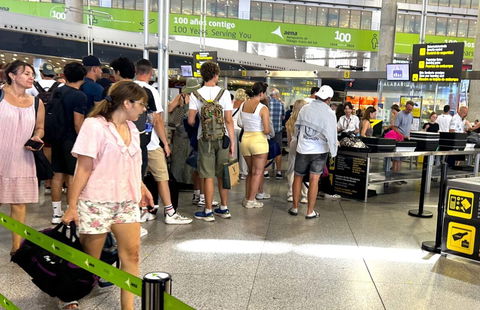
Ground crew strike mess hits Spanish airports

Spain and Europe’s summer ‘spendless’ epidemic: Wallet Zombies are killing local businesses
EES Implementation for Non‑EU Travelers
Who’s affected
All non‑EU travelers—UK, US, Australia—whether you need a visa or not.
What’s new
- On arrival at any Schengen border, register via fingerprint scan and photo.
- Replaces the old passport stamp.
When’s it happening
Rollout begins on 12 October 2025 and extends six months, concluding in April 2026.
By spring 2026, every EU external border will be using the EES.
ETIAS fee hike: More costly for tourists
EU Travel Gets a €20 ETIAS Fee
Just as the EU is tightening rules for visitors, the new European Travel Information and Authorisation System (ETIAS) will cost almost three times more—rising from €7 to €20. The extra charge applies to all passports that will need ETIAS before any trip after 2026, the EU’s voice to the US ESTA and the UK’s ETA.
Why the Hike?
- Inflation and the real expenses of running the digital system.
- A move to keep the fee in line with the travel authorisation charges of other countries.
What You Need to Know
Travelers planning a 2026 or later visit should apply for ETIAS beforehand. The €20 fee is the latest step the EU is taking to streamline cross-border travel while ensuring sustainability of its system.
Quick facts:
ETIAS Overview: What You Need to Know
When Is It Ready?
Launch scheduled for Late 2026, once the European Electronic Entry System is fully operational.
Validity Span
The ETIAS permits last for three years, unless your passport’s expiration comes first.
Cost Breakdown
- Adults: €20
- Under 18s & over 70s: No fee
Coverage Scope
Applies to all Schengen countries and a select few non‑Schengen entrants who join the program.
Application Process
- Apply online.
- Receive a decision in minutes.
- Gain access for 90 days within any 180‑day window.
How does it stack up against other countries?
EU and US Raise Visa Fees
Rising Costs
UK hikes its ETA fee to £16 (€18.50) for EU visitors.
US doubles the ESTA fee from $21 to $40.
Industry Response
- Travel experts applaud clearer rules, but warn that communication remains uneven.
- Mark Tanzer, ABTA chief executive, stresses that both the EU and UK must improve outreach so holidaymakers aren’t caught out at the last minute.
Future Measures
There’s a push for EU countries to adopt the official EES app, which will let travelers upload their details in advance and (hopefully) speed up airport queues.
How to prepare for the New EU border changes
Upcoming EU Border Upgrade – What You Need to Know by October 2025
With Europe’s borders undergoing a technological overhaul, travelers should anticipate two major changes from October 2025 onward:
1. Biometric Passport Checks
- All EU checkpoints will implement electronic biometrics.
- To pass, your passport must be a valid, undamaged biometric chip and propelled to date.
- Damaged or outdated chips won’t trigger the new automatic inspection.
2. ETIAS Travel Authorisation Fee Update
- The ETIAS system will now charge a higher fee for late‑2026 applicants and beyond.
- Plan your budget accordingly and verify ETIAS eligibility before booking.
How to Stay Prepared
Remember the best route to a smooth border experience: stay updated with your airline’s travel notices and check the official EES and ETIAS portals.
Take Action Now
- Verify your passport’s validity and chip integrity.
- Check your ETIAS status and allocate the adjusted fee.
- Download the official EES app or keep your travel documents ready.
By keeping these steps in mind, you’ll reduce border wait time and spend more moments enjoying your journey.