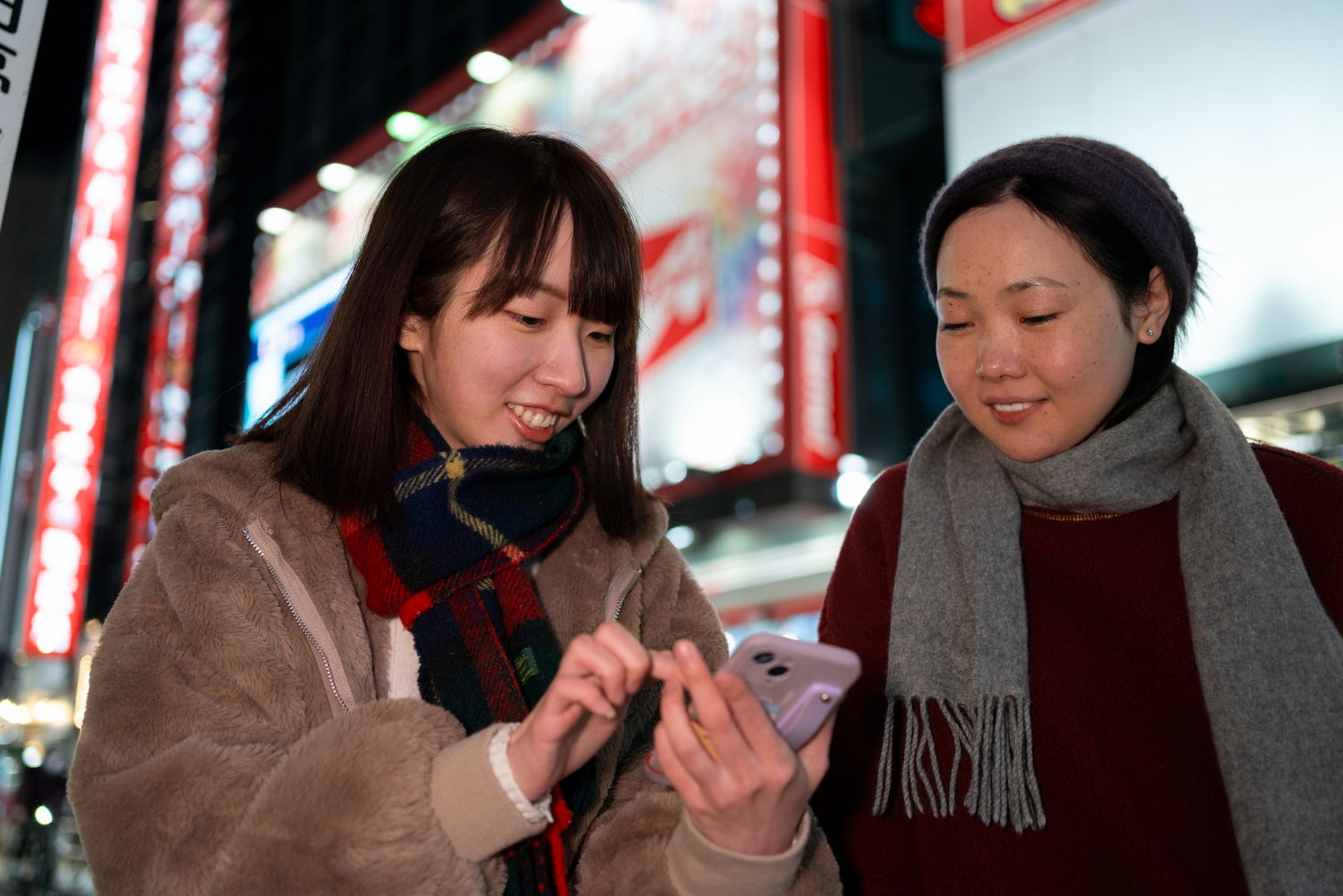
A town in central Japan is preparing to introduce a unique regulation aimed at curbing the excessive use of mobile phones among its residents. Toyoake, located in Aichi Prefecture, has drafted a non-binding ordinance that encourages people to restrict their smartphone use to just two hours a day outside of work and school.
The measure, expected to be discussed by the city assembly with a view to taking effect this October 2025, reflects growing concerns over the impact of technology on health and daily life. The proposed ordinance is designed to serve as guidance rather than enforceable law, with no penalties for failing to comply. Instead, it seeks to spark reflection and encourage residents to reconsider their reliance on devices. Mayor Masafumi Koki explained that the proposal is not intended to punish anyone, but to draw attention to issues such as sleep disturbance, physical inactivity and behavioural problems linked to prolonged screen time. “Limiting daily smartphone use at two hours is just a guide,” he said, adding that the ultimate goal is to promote healthier lifestyles and protect the wellbeing of families.
The draft ordinance goes further by suggesting curfews for mobile use. Children at primary school are advised to put down their phones after 9 p.m., while middle school students, high school students and adults are encouraged to stop by 10 p.m. Officials argue that these measures could improve sleep patterns and reduce late-night dependence on screens.
Most Read on Euro Weekly News
 “>
“>
UK bank checks on transfers, set to cause expat headache
 “>
“>
Bullfighter dies in first Lisbon show, spectator also dies
 “>
“>
France tells hospitals to be war-ready by March 2026
Despite these intentions, the plan has drawn considerable criticism. Around 80 per cent of local residents who responded by telephone or email voiced opposition, arguing that a two-hour daily limit is impractical and unnecessarily intrusive. Parents, in particular, questioned how such restrictions could be applied in modern life, where smartphones are often essential for communication, navigation and entertainment.Others fear the regulation risks becoming symbolic rather than effective. Without any enforcement mechanism, critics suggest it may do little to change behaviour, while fuelling debate over the role of government in people’s private routines.
Nevertheless, supporters insist the ordinance could help raise awareness and prompt families to discuss their own boundaries around technology. By framing it as guidance rather than law, Toyoake hopes to start a community-wide conversation rather than dictate strict rules.
The debate reflects wider anxieties in Japan, where the spread of smartphones has prompted concerns over the physical and psychological effects on younger generations. Toyoake’s initiative, whether successful or not, is likely to attract national attention and could influence other municipalities considering ways to address screen overuse. If approved, the ordinance would make Toyoake one of the first places in Japan to adopt such a measure, signalling both the challenges and opportunities that come with regulating digital habits in everyday life.