
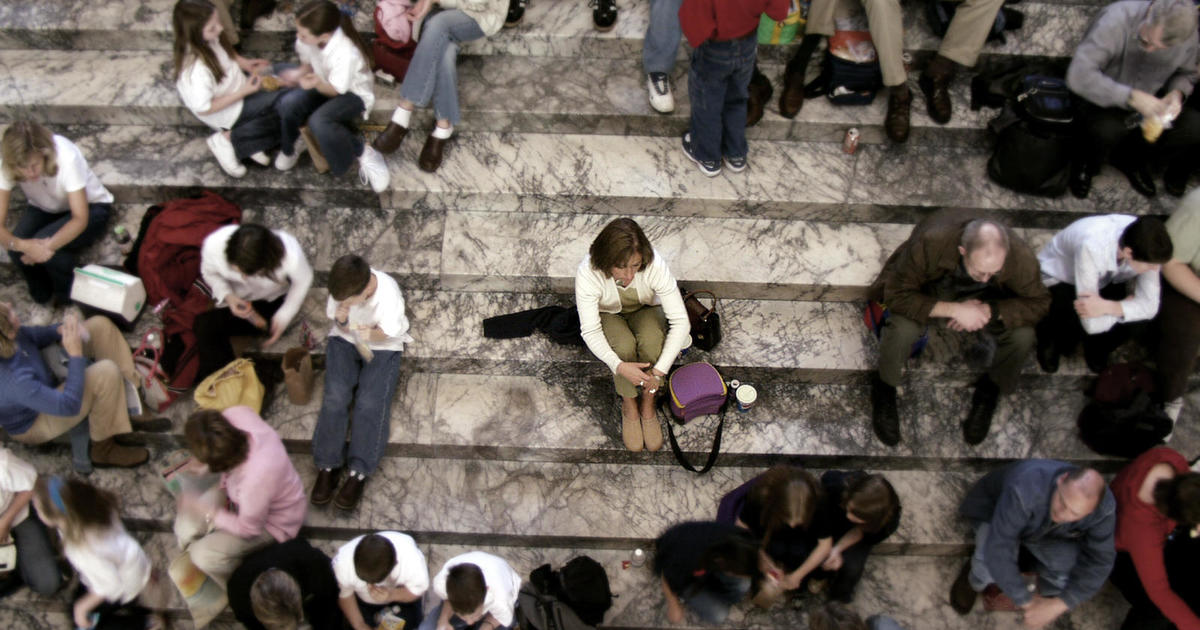
When the World Feels Fuller Yet Emptier: The Silent Rise of Loneliness in 2023
The globe collectively exhaled a sigh of relief last year: Gallup’s latest “State of Emotions” report—released Wednesday—confirms global emotional health ticked upward for the first time since 2019. But beneath that broad smile lies a troubling itch. One in four humans—nearly a quarter of our species—still labels yesterday “lonely.”
What Feeling Lonely Really Looks Like
- Physical pain, tightness, unexplained aches
- Worry and stress that stick around after bedtime
- Sadness that colours even good news a dull grey
- Anger that erupts when traffic lights stay red for seconds too long
The Doctor Who Calls Loneliness a Pathogen
New York psychiatrist Dr. Sue Varma gave CBS Mornings a chilling equation: “Chronic loneliness equals smoking fifteen cigarettes a day.” She rattles off the receipts:
- Risk of heart disease climbs 30%
- Stroke odds rise 30%
- Dementia probability jumps 50%
- Premature death likelihood explodes 60%
Being ignored, she says, triggers the same neural alarm as physical injury.
Why U.S. Teens Are “Helpless in the Highlight Reel”
Young Americans top the lonely-lottery. Varma blames the “merit-badge marathon”:
- Academic hustle: Every quiz is a Stanford litmus test.
- Financial fairytales: Six-figure salary by twenty-five, minus a six-figure degree.
- Climate dread: They recycle homework while planet headlines swirl like hurricanes.
- War fatigue: Doom-scroll past missiles past midnight.
Asked when they last did something purely for fun, one high-schooler replied, “Honestly, I can’t remember the last time I laughed without it being Instagrammable.”
Prescription: Appointment-Grade Friendship
Varma’s cure is radical—but simple—time-blocking:
- Schedule coffee like chemotherapy. You wouldn’t skip chemo; don’t bail on Bob.
- Marry micro-moments with mega-moments. Greet the barista, yes—but also confess your real fears to your best friend.
- Create “activity partner” triads: one for workouts, one for movie nights, one for midnight existential crises.
A Closing Note from a Doctor Who Has Read the Data—And the Texts
“If self-care is the new religion,” Varma says, “relationship-care is the old-time salvation nobody preaches anymore. Block it in ink. Your life literally depends on it.”


