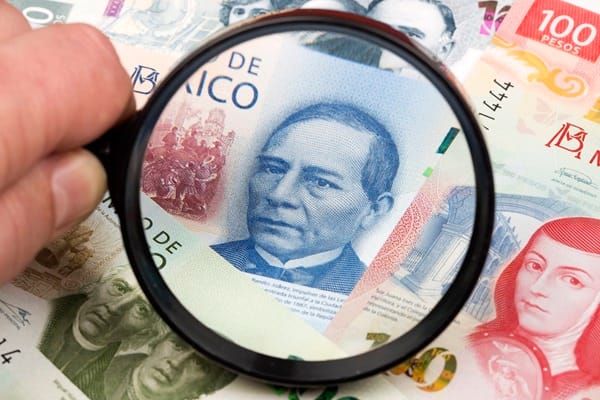
Mexico’s Peso: Riding the Roller‑Coaster of Trade and Inflation
In recent weeks the Mexican peso has been quietly holding its own against the U.S. dollar, despite a whirlwind of political drama and hot‑shot economic releases in both countries.
Why Traders Are On Edge
- Trump’s tariff threat: The U.S. president is eyeing a 25 % tariff on Mexican imports that could bite hard if it takes effect in February.
- Labor market chills: In the U.S., initial unemployment claims jumped to 223,000, topping the 220,000 forecast and marking the biggest rise in six weeks. Continuing claims hit 1,899,000, the highest level since November 2021.
- Fed’s potential pivot: A softer labor market could nudge the Federal Reserve toward easing its monetary stance later in 2025 — a move that would likely lift the peso.
- Mexico’s inflation snapshot: The mid‑month core inflation clocked in at 3.72 %, above expectations. General inflation was fading faster than anticipated, but core levels still sit over the Bank of Mexico’s target.
What This Means for the Peso
The currency sits at a crossroads, with its fate hinging on two big drivers:
- Trade policy twists: A sudden 25 % tariff would jolt the Mexican economy and squeeze the peso’s value. The market is braiding its fingers around whether and when that shock might strike.
- Domestic economic pulse: Key data such as GDP growth, investment, and consumption will tell the story of Mexico’s internal strength. If the economy falters, the peso may wobble; if the Bank of Mexico keeps its policy moderate in face of stubborn inflation, the peso could get a boost.
Bottom line? The peso’s path is a tightrope walk between external pressures and domestic resilience. Investors will keep a close eye on U.S. tariff moves, labor data, and Mexico’s own inflation battle. Stay tuned — the drama’s far from over.