Bashar al‑Assad Takes to the Web From Moscow Amid Damascus’ Fall
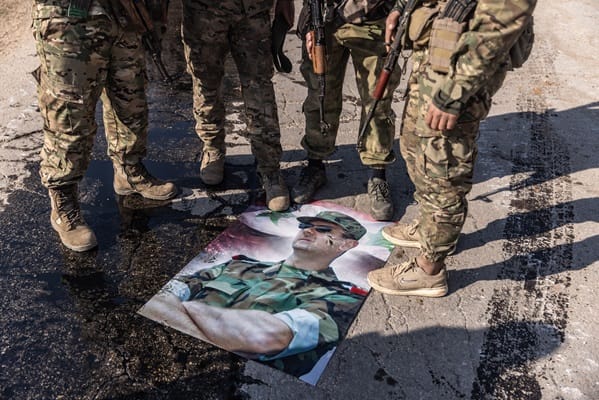
After two decades of ruling the Levant, Bashar al‑Assad finally felt compelled to make a public appearance on Monday, the day he was officially unseated by rebel forces. In an unexpected broadcast, the former president reiterated that he never intended to step down or seek asylum, and that he currently resides in Moscow.
Confession or Clarification?
Assad’s statement was aimed at dispelling rumors that suggested he slipped away in a panic. He clarified that he:
- Stayed in Damascus throughout the final days of battle, continuing his presidential duties until the early hours of December 8, 2024.
- Relocated to a military base in Latakia when rebel forces closed in, coordinating closely with Russian allies to maintain combat operations.
- Was evacuates by Moscow officials on the evening of December 8—exactly one day after the capital’s capitulation and the collapse of all remaining state institutions.
Why He Stayed on the Front
Assad insisted that, at no point, did he consider “stepping down” or finding refuge. Instead, he swore he “continued fighting the terrorist onslaught”, a phrase he never elaborated upon. He stated:
- He would not “forsake his own people or betray the army and nation” he claimed to serve.
- His focus was “the national project” and the faith of the Syrian people in that vision—no personal gain was ever a motive.
- He saw himself as a guardian of Syria’s sovereignty, ready to defend its institutions “until the very last moment.”
Money in Moscow
Adding another layer to the story, the Financial Times revealed that between 2018 and 2019, al‑Assad airlifted about $250 million in cash to Moscow. The fund was reportedly moved from the Syrian central bank, consisting of nearly two tonnes of $100 bills and €500 notes, before being deposited into Russian banks that are under sanction.
With this latest announcement, the former Syrian dictator serenades the world with a dramatic mix of defiance and patriotism—while the echoes of his words reverberate far beyond the ruined streets of Damascus. Whether the narrative he presents is fact or theatrical flourish remains to be seen, but it certainly makes for a compelling chapter in the saga of Syria’s turbulent history.