
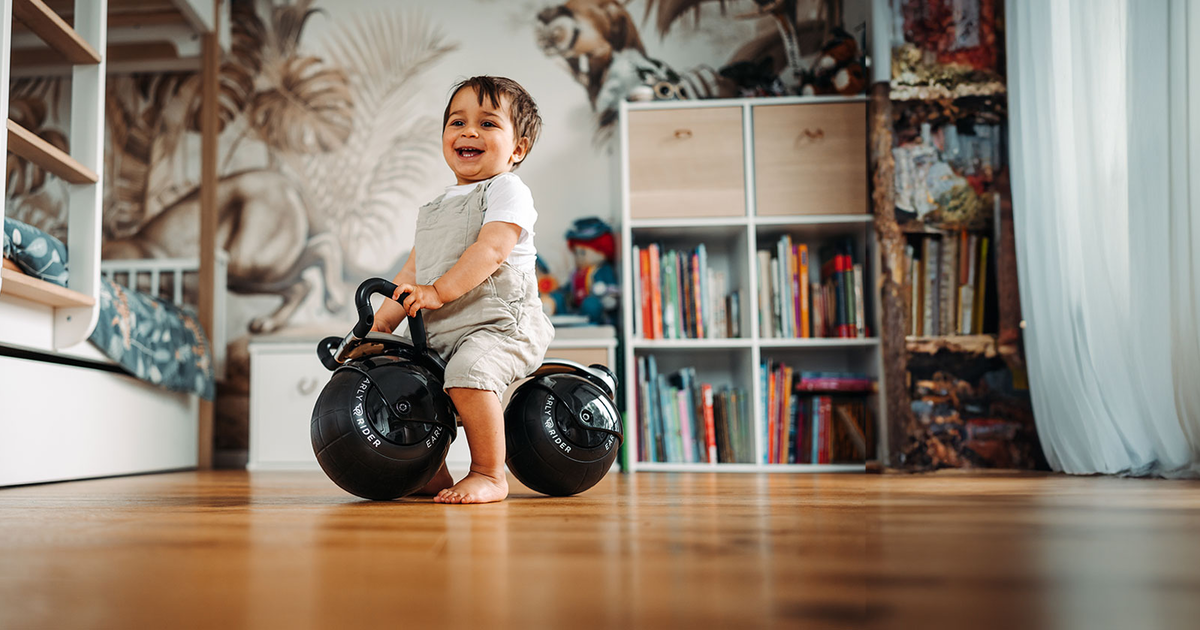
The New First Spin: Toddlers Ditch Training Wheels for Balance Bikes
A Different Starting Line
Forget the shaky tricycle and wobbly training wheels. Today’s youngest riders are beginning their journey on balance bikes—sleek, pedal-free machines that have quietly rewritten the learning curve. Marketed for children as early as 10 months old, these pared-down cycles teach the hardest part of riding first: equilibrium. Once kids can glide with feet tucked up, adding brakes and pedals becomes almost an afterthought.
How Balance Bikes Upend Tradition
- Traditional path: Pedals → Steering → Braking → Balance
- Balance-bike path: Balance → Coasting → Steering & Braking → Pedals
James Beechinor, head of Early Rider’s U.S. arm, explains the shift: “Kids start by scooting, then lift their feet to cruise. Once they’re coasting comfortably, introducing cranks is simple—they already know how to stay upright at speed.”
Science Checks the Trend
A 2022 study published in the British Journal of Developmental Psychology followed Dutch toddlers and concluded:
“Children who practiced on balance bicycles started riding independently months earlier than those who began with training wheels.”
Researchers credit the bikes’ demand for constant micro-adjustments, which accelerate motor-skill refinement.
Small Slice, Fast Growth
Despite entering shops decades ago, balance bikes still occupy just 1 % of the children’s-cycle market in 2024—yet their share is rising. Overall kids’ bike sales slid 6 % in the past year, yet balance bikes climbed 3 %. Prices range from $50 to premium models over $200, and nearly every major brand now offers several frame sizes, wooden or aluminum versions, and even colorways inspired by pro teams.
Beyond Bike Skills
- Physical perks: Starting early correlates with healthy weight in later elementary years.
- Social boost: Scoot-together toddler groups foster cooperation and confidence.
- Motor development: Core stability, leg strength, and bilateral coordination all get a workout.
A separate 2022 Portuguese study in the International Journal of Environmental Research and Public Health labeled balance biking “a holistic activity that integrates fitness, play, and emotional regulation.” Authors noted zero outside funding or conflicts of interest.
Ready to Convert the Garage?
If the family driveway is still home to a heavy pedal bike festooned with dangling stabilizers, a balance bike might feel radical. Yet the evidence, and thousands of barely-toddling coasters, suggests one truth: future cyclists may never know the rite of having training wheels ceremoniously removed—because they never had them in the first place.


