The Euro’s Rough Ride
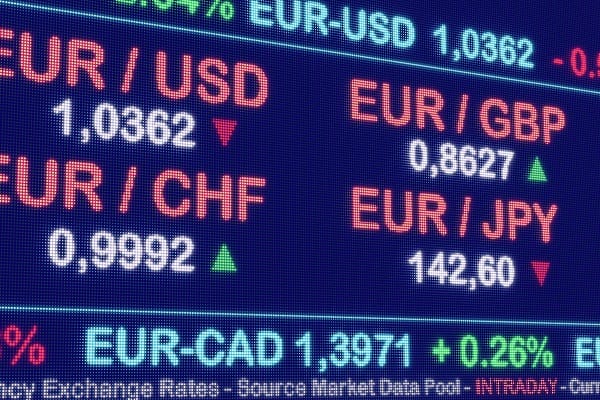
Just after 06:00 GMT, the euro slipped 0.1% lower against the dollar, landing around 1.07042. It’s still on a downward slope, thanks in part to German consumer uncertainty and a widening gap in bond yields.
Germany’s Consumer Confidence Hits Rock Bottom
- GfK’s June report shows consumer confidence at its lowest in over two years.
- Willingness to spend dropped into a record low; saving motives crept up, while future income expectations fell.
- The composite index plunged to –21.8, worse than the –19.4 forecast.
The Widening Yield Gap & What It Means
When U.S. Treasuries outperform German Bunds, the dollar gets a lift while the euro takes a hit. The spread keeps growing, driving inflation and interest‑rate dynamics in divergent directions across the two economies.
Political Twist: A Short‑Term Breather
Recent political shifts—especially after France’s European Parliament elections—sent French bond yields up, narrowing the spread to U.S. Treasuries. It’s a brief relief for the euro.
Current Yield Numbers
- 10‑year U.S. Treasuries: 4.265%
- German Bunds: 2.417%
- French bonds: 3.132%
- Yield spread (U.S. – Germany): 1.846%
- Yield spread (U.S. – France): 1.133%
Bottom line: The euro keeps sliding, fueled by a faltering consumer mood and a widening yield gap, but political shifts offer a temporary respite.
Stay in the loop — subscribe now to get real‑time updates right on your device.