Oil Prices Dip as Libya’s Biggest Field Reopens
At the start of Tuesday’s trading session, crude prices slid to about $73.40 a barrel. The fall isn’t linked to any fresh drama in the Red Sea; instead it’s a direct impact of a significant production boost from Libya.
The Libya Effect
- After a two‑week hiatus, the country’s largest oil field has resumed operations.
- It’s now pumping roughly 270,000 barrels per day into the global market.
- That addition pushes Libya’s overall output past the million‑barrel mark, essentially reclaiming the supply levels that existed before the OPEC+ cuts.
With the extra barrels flooding the market, the price drop felt almost inevitable.
Dollar Slips on Technical Grounds
The U.S. Dollar Index is showing signs of selling pressure. On the daily chart it’s creating lower highs and lower lows, a classic hint that the dollar might weaken in the near future.
What’s Coming Up?
Traders are currently on the edge of a few key U.S. economic releases:
- GDP figures – a gauge of the overall economic health.
- Federal Reserve’s preferred inflation gauge – often used to decide on rate hikes.
Personal Consumption Expenditures (PCE) price index – the Fed’s top priority when it comes to inflation.
These data points are predicted to stir up noticeable market volatility.
China’s Role in the Mix
Chinese de‑oil data hints that Russia has become the main supplier to China, which might keep Chinese demand capped. Still, China saw an 8.6% increase in demand, hitting 14.24 million barrels a day. With the country holding its key lending rates steady and the market expecting more easing measures, consumer appetite could wane in the coming months, pushing prices even lower.
Brent’s Current Trajectory
Brent crude has seen a modest bounce at the start of the week, inching close to $78.40 a barrel. This uptick has felt more a reflection of shifting demand expectations than any dramatic geopolitical move.
All signs point to Brent staying within a defined price range, swinging from sideways to a gentle decline. Even though some domains exert downward pressure, ongoing tensions in the Red Sea and the Gulf of Aden still provide a safety cushion for the price premium.
Future Outlook via Futures Spread
The gap between the current spot price and its six‑month futures contract offers a window into how the market expects supply to tighten or expand in the future. This spread will help traders gauge whether oil prices might jump or tumble ahead of next month’s reports.
Technical analysis of the oil (WTI) prices
Saudi Arabia’s Production Cuts: OPEC’s Latest Tightrope Act
In a world where the oil market feels more like a soap opera than a science class, Saudi Arabia is once again center stage, bringing its recent production cuts under the microscope. The “Oil Kings” are hoping to keep the market steady, but the plot thickens as rival players jump into the ring.
Why the Tension Is Heating Up
- Russia’s Slippage – The old Red Star has already broken its promise to reduce output, effectively tipping the scales in favor of higher supply.
- Libya’s Comeback – With the big ask gas fields back in business, Libya is pumping out more than a million barrels a day again, adding fresh fuel to the pot.
- Saudi’s Show‑Stoppers – The country’s tough cuts are intended to curb over‑production, but the competition from get‑tin‑a‑grip on produce means the plan is on shaky ground.
A Domino Effect on Oil Prices
What does this mean for the ballast that OPEC tries to keep? Picture an economy creature on a seesaw: when Russia and Libya bring their barrels up, the balance tips, and the market feels the wobble. OPEC’s goal is to tide up the up‑and‑down, but now the Australian Kaput has an extra set of players.
The Bottom Line
As the drama unfolds, oil prices keep their comedic timing, swinging like a pendulum. Saudi Arabia’s cuts are a bold move, but if the world’s other oil giants keep adding barrels, OPEC’s effort to stabilize prices might feel a little like trying to keep a cat from misbehaving in a room full of laser pointers.
Oil (WTI) Price Action – What’s Next?
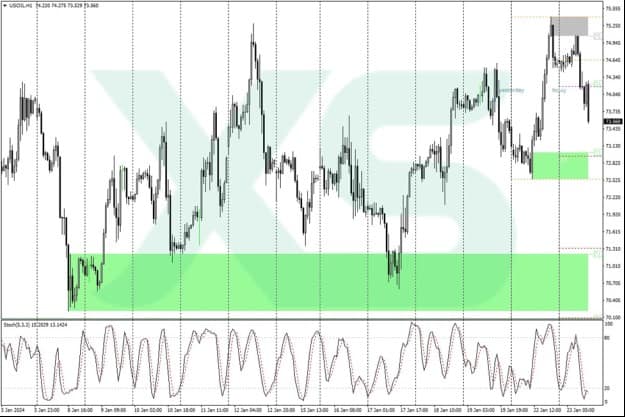
Think of the chart like a roller‑coaster: it’s been riding the recent peak at $74 and the bar has stood in front like a stubborn bouncer. The last attempt to break it last Friday? Family‑friendly failed. If the vibes stay high, the next gate to swing open is the $80 level—but only when geopolitical drama kicks up the volume, the wall melts, and the price packs in a full daily candle on the other side. Kick that door, and the next stop sign is $84. That’s the road trip we’re looking for.
Downward Bound?
If the price plays a “stay‑below‑$74” game, the next shelter is $67. That’s the green light from the triple‑bottom formed in June. Hit that, and the price could slide to a fresh key low at $64.35 – the lowest point recorded since the recent May and March 2023 lows. Beyond that, it’s a one‑way ticket to $57.45 if the market goes all‑in and stuns the support.
Quick Reference
- Support Levels: $73.00, $72.50, $71.60
- Resistance Levels: $74.60, $75.50, $76.20
Want real‑time updates on what’s happening? Jump right in and subscribe by the tap of a button. Stay in the loop and keep your trading gut feeling sharp.