HS2 Cost Estimate Soars to £66.6 billion
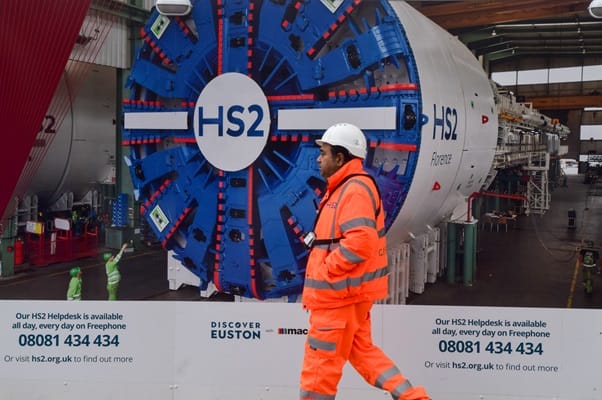
Sir Jon Thompson, the executive chairman of HS2 Ltd, just dropped a bombshell into the Transport Select Committee: the railway that cuts from London to Birmingham could cost up to £66.6 billion. That’s a hefty sum, wiping out the earlier version that had floated between £49 billion and £56.6 billion.
Where Did All the Extra Money Come From?
At the 2019 price benchmark, Phase 1 had a rough estimate of “£30 billion‑something.” Now, when you pump the numbers up to today’s prices, you’re looking at an extra £8 billion to £10 billion. Why? Because the original estimate was cooked out of very, very immature data. Think of it like ordering a pizza online – you’re told there’s a ‘large’ size, but when the pizza arrives, you realise you’ve actually been ordering a ridiculously huge pie.
- No solid design was in place when the first numbers were made.
- No actual procurement had begun, so the cost base was basically a guess.
- It was an “OK, let’s do a quick ball‑park” kind of estimate, rather than a detailed plan.
Sir Jon’s Take on the “Budget Blunder”
“This is a systemic problem,” Sir Jon told the committee, “not just about HS2 but about all large projects that the government funds.” He explained that budgets get set very early, often before any meaningful detail, leading to a very shaky base. Like buying a house on a sketch that only shows a few walls. Fast forward a few years, and you start putting in the actual bricks, wiring, plumbing – and your bill suddenly spikes.
What the Team is Doing About It
Sir Jon said the government keeps using 2019 prices for all official cost estimates, a practice that only updates during the spending review. That means every invoice the team receives is “retro‑priced” back to 2019, while the papers state the bills are paid at 2024 rates. The financial juggling act is a serious administrative headache.
“All of the invoices we get we have to then deflate backwards to 2019 prices even though we’re paying them at 2024 prices. And then we have to adjust the accounts to account for that, so it is a significant administrative faff to be frank.”
What This Means for You
For the average citizen, this just translates to a potentially higher tax bill, or at least a bigger pinch that the government might try to stitch back together with future spending cuts or cost overruns. Still, it shows the importance of starting with solid plans and cost data from the get‑go.
In the words of Sir Jon, the outcome isn’t just about money; it’s about learning why the budget set too early blinds us to reality. Let’s hope future projects take a longer planning phase before they’re pegged to a throne of big numbers.