
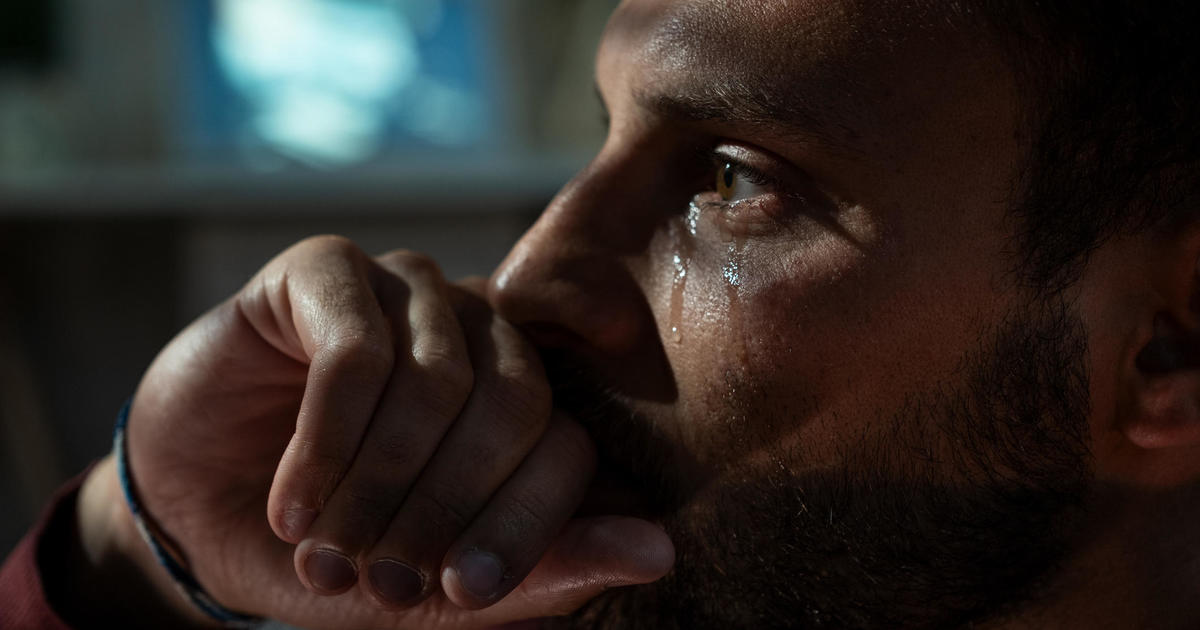
Why the City That Never Sleeps Is Learning to Weep on Purpose
From Punching Walls to Soft Pillows — New Yorkers Now Pay to Shed Tears
The city already offers safe havens for smashing printers, but Sob Parlour is betting you’d rather unravel than rage. The idea was born one April afternoon when Anthony Villiotti, an advertising strategist, found himself weeping behind an office plant. Instead of pretending it never happened he sketched an entire business around the moment of collapse.
Inside One Pop-Up Comfort Zone
- Entry ritual — choose a scent (chamomile, bergamot, rain-on-pavement) and receive a hand-towelling to signal “you’re safe to fall apart.”
- The weep suite — oversized beanbags, acoustic panels, tissue boxes disguised as vintage books.
- Solo soundscape — gentle rain, low cello, even the faint murmur of a coffee shop for people who relax in public.
How It Works
Visitors book 25-minute windows via QR codes taped in subway cars. Sessions begin with a brief breathing cue—in for four, sigh for eight—then the lights dim to the color of overcast sky. No cameras, no coaching, no conversation.
Locations So Far
Past pop-ups have appeared above a record shop in Bushwick, inside a windowless conference room in Flatiron, and most recently next to the stock-exchange bull statue. Each lasts six days and uses no signage except a chalk arrow and a single teardrop emoji.
The Philosophy Behind the Practice
“If meditation is sitting with your thoughts, deliberate crying is sitting with your feelings,” Villiotti told reporters. “The body already knows the release; we just carve the time.”
Early ticket data show finance workers scheduling midday breakdowns, nurses booking post-shift slots, and couples treating it as an unconventional date night. Some users show up weekly; others leave hand-written pledges taped to the wall: “Keep doing this. The city is softer because of you.”
Whether Sob Parlour becomes a permanent storefront or disappears as quickly as a tear on a hot sidewalk, New York has conceded one point: sometimes the bravest thing you can do is set aside 25 minutes to feel everything, then walk out lighter.
What does the Sob Parlour entail?
Unseen Tears, Open Hearts: The $20 Room Where New Yorkers Finally Let Go
Wedged between rush-hour horns and the 24-hour hum of Manhattan, a small door now opens to what might be the city’s quietest revolution. Inside: velvet chairs warmed by amber bulbs, a speaker pulsing with soft strings, and a stack of letter-pressed cards asking questions most of us spend lifetimes avoiding.
The Sob Parlour is not advertised on billboards or shouty subway posters. It is discovered through a single Instagram frame: a teacup balanced on a tear-stained journal, captioned “Thirty minutes. Just you. Just safe.” The price of entry? A crisp twenty slipped through an invisible slot before the latch clicks shut.
What Happens in 1,800 Seconds
- Minute 0: You choose a soundtrack—slow cello, distant rain, or silence thick enough to swim in.
- Minute 5: A prompt card arrives: “Name the thing you lost but never buried.”
- Minute 15: The furniture seems to shift toward you; the cushions remember every shoulder that shook against them.
- Minute 25: Tears cool on skin that hasn’t felt its own temperature in days.
- Minute 30: One deep breath resets the room for the next visitor.
The Regular Who Won’t Cry on the F Train
Charley Garber, 27, arrived during a week when his inbox felt like a firing squad. He’d tried stairwells, midnight walks over the Manhattan Bridge—even a locked office bathroom—but someone always knocked.
“Out there, I keep everything zipped,” Garber says, folding a receipt from the session like it’s evidence. “In here, the zipper doesn’t matter. No witnesses.”
He books the same Wednesday slot, 4 p.m. sharp. Each exit leaves him lighter, the way a skyscraper must feel when the wind finally moves on.
Why $20 Feels Like a Bargain for Release
For the cost of two cocktails or half a spin class, clients lease the luxury of unfettered emotion. Receipts don’t itemize therapy; they simply read “Sanctuary.”
A City Learning to Weep
The Parlour’s waiting list is now seven weeks long. Bouncers aren’t needed; secrecy does the policing. Inside, mascara runs unchecked. Phones stay off. The only posted rule, lettered on the back of the door, ends with a period shaped like a droplet:
Feel everything. Leave nothing.
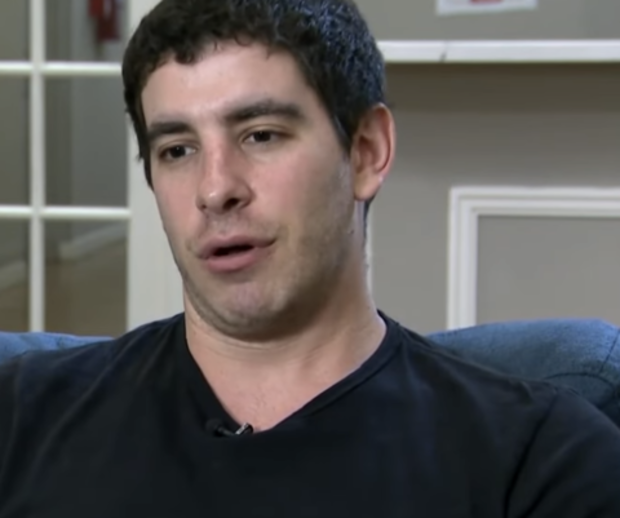
A Quiet Corner for Charley Garber
When Charley Garber first stepped into the Sob Parlour, he carried more in his pocket than a set of keys—he carried questions he never found space to ask. In a city that rarely slows down, he discovered something remarkable: a room where the sole agenda is listening.
Inside the Conversation
Garber told the press that the difference between this studio and every other place he frequents is simple yet radical.
- No clock ticking louder than his own heartbeat.
- No interruptions from Slack pings, homework meltdowns, or well-meaning spouses trying to fix things.
- No judgment attached to the occasional tear or long, trailing silence.
Space, Not Silence
He recalled how the Parlour gave him “permission to marinate in his thoughts,” a phrase he never imagined applying to adulthood. Between bites of day-old grief and scraps of half-formed hope, Garber unraveled stories he never shared over the kitchen table.
The Unexpected Ripple
The hours he spent in the Parlour didn’t stay inside its four walls. Work felt lighter, dinners felt calmer, and bedtime stories gained new colours. Garber credits the shift to one thing above all:
“A place where my feelings didn’t have to fit into anyone else’s schedule.”
Can sobbing help relieve stress?
From Tears to Tranquility: How a Good Sobbing Session Hits the Brain’s “Chill” Button
Researchers have pinned down a surprising remedy for stress that costs nothing and demands no prescription: shedding a few tears. New evidence reveals the act of crying floods the body with mood-lifting chemicals that gently yank the brain out of high-alert fight-or-flight mode.
What Happens Inside the Head—and Heart
Grace Tworek explains the chain reaction:
When Crying Becomes a Red Flag
Occasional tears are a normal coping tool, but mental-health professionals urge vigilance if:
If any of these warning signs fit, experts recommend scheduling a chat with a therapist or primary-care doctor.
Beyond the Box of Tissues: Building a Safe Outlet
Tworek underscores that silent sobbing isn’t enough. “Conversation is the other half of healing,” she says. Key ingredients:
Quick Comfort Kit for Overwhelming Moments
The bottom line? A deliberate cry can reset biology and mood, yet pairing it with open dialogue keeps the benefits lasting long after the last tear falls.


