
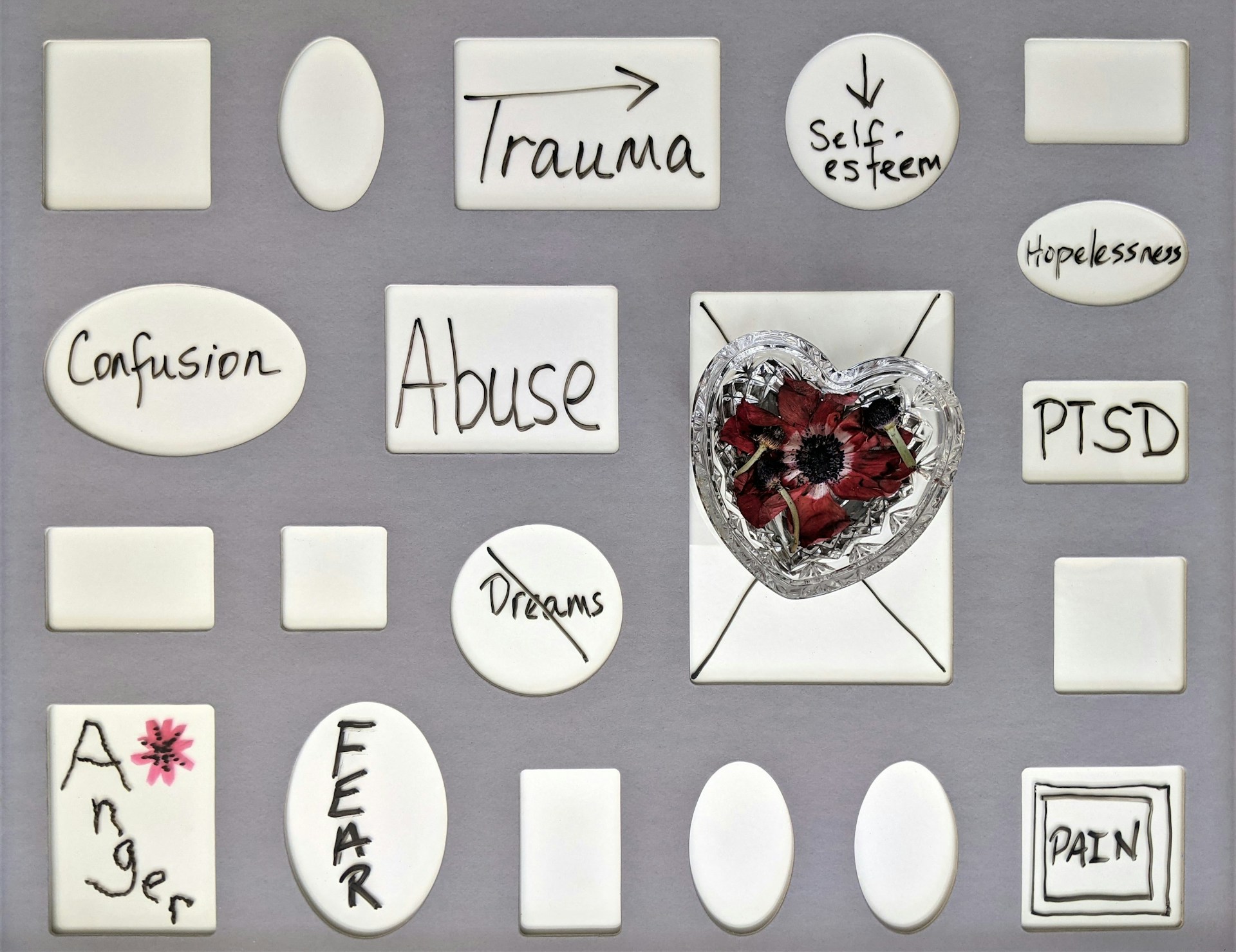
“Unexpressed emotions will never die. They are buried alive and will come forth later in uglier ways,” the father of psychoanalysis Sigmund Freud once said. Pay particular attention to the difference between the root word “expressed” and its counterpart “repressed” when applying them to trauma. Expressed trauma is at the surface and measurable as evidenced in SAMHSA’s statistic that over two-thirds of youth have expressed at least one traumatic incident before age 16.
On the contrary, repressed trauma is a defense mechanism where the mind pushes traumatic events into the unconscious, thereby burying it and making it harder to detect and quantify in populations. When past trauma is not verbalized by teens, it is imperative that parents look for the following four signs as potential evidence that a teen has repressed trauma and needs help.
1- Disruptive, Impulse Control Conduct Disorder
Have you noticed any of these behaviors in teens: Getting into fights at school, exaggerated outbursts, destroying property, running away from home, abusing one’s partner in a relationship? These could be indicators that the teen has suppressed the trauma of suffering from parental divorce/loss of a loved one, witnessing domestic violence, or emotional/physical/sexual abuse. These behaviors are often signs of intermittent explosive disorder, oppositional defiant disorder and disruptive mood dysregulation disorder, in which individuals do not regulate their emotions the same as others but rather respond with intense emotions.


