Electric Cars: Your New Home Battery?
When the Lights Went Out
After the recent power cuts that shook Spain and Portugal, people started asking: “What if my car could keep the fridge running while the grid is down?” The idea is simpler than it sounds. Battery‑powered vehicles can double as a household backup, especially during those dreaded blackout days.
Vehicle‑to‑Grid—and to Home
The Energy and Climate Intelligence Unit (ECIU) did a quick dive into the numbers. They found that a single EV battery can supply a typical UK house for up to six days, and in Spain it can do so for up to five. That’s a good chunk of time for a light‑on‑the‑fridge‑on‑the‑router scenario.
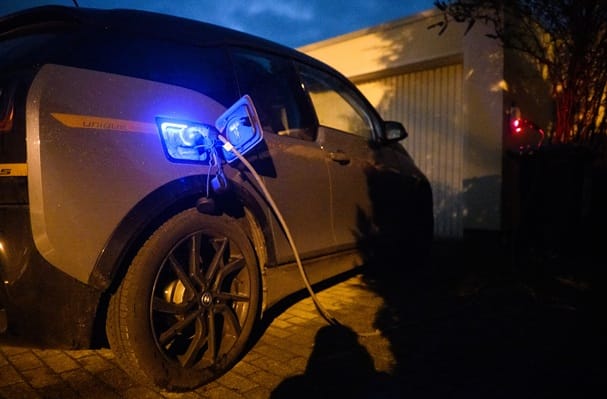
This power swap is called V2G (vehicle‑to‑grid) or V2H (vehicle‑to‑home). With a bi‑directional charger, your car can talk back to your house, delivering electricity when needed and even feeding power back to the grid during peak hours.
Why It’s a Win‑Win
- Save Money: You can charge your car when electricity is cheap (usually at night) and sell it back to the grid when prices jump.
- Keep the Lights On: In a sudden blackout, the EV becomes a portable power bank for your home.
- Reduce Emissions: By using battery power instead of fossil‑fuel generators.
- Earn Bucks: Owners of V2G‑ready cars can make a couple of hundred pounds a year by trading energy.
What Colin Walker Says
Colin Walker, Head of Transport at the ECIU, is bullish. “Every new EV on the market is getting smarter about how it can give power back to homes. In an extreme blackout—think the Spanish drama—those cars will keep lights bright and fridges chill for days,” he told GB News.
He added, “And it’s not just about keeping the lights on. With smart charging, you can turn your car into a profit machine, earning you a tidy sum each year.”
Bottom Line
Electric cars aren’t just a means to get from point A to point B anymore. They’re evolving into emergency power banks, clean energy earners, and a way to make your home more resilient. So next time you’re at the charging station, remember: you’re not just fueling your car—you might just be powering your entire household.