UK Borrowing Surges Past Forecasts — And the Chancellor’s Options Shrink
When the Office for National Statistics (ONS) dropped the latest numbers, it felt like a fantasy sports leak: borrowing for the last financial year has jumped to £120.7 billion, blowing past what everyone expected. The culprit? Rising benefits and wages took the money out of the Treasury’s pocket faster than we thought.
What the Numbers Say
- Full‑year borrowing: £120.7 billion (vs. the ONS projection of roughly £114 billion)
- Current fiscal‑year (ending March): £114.1 billion (as forecast by the Office for Budget Responsibility)
- March’s borrowing figure: £11.9 billion – a £4.7 billion drop from the same month last year, but still above the £10 billion hoped for by market watchers
- Spending rose by £58 billion, mainly because public services and benefits had a bigger bite than the savings from interest and energy‑subsidy cuts
“””
Jessie Barnaby, the ONS deputy director for public‑sector finances, summed it up: “Spending was up about £58 billion, with increased spending on public services and benefits outstripping large reductions in interest payable and energy support scheme costs.”
The Chancellor’s Tightrope
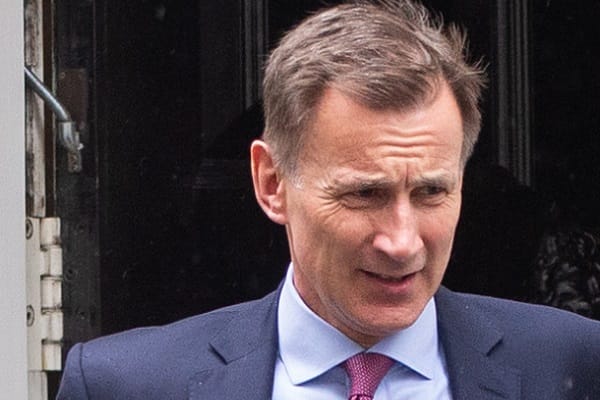
Jeremy Hunt (the Chancellor) now finds his hands tied. With borrowing already outpacing his model, the room left for any “nice” tax giveaways before the upcoming general election is shrinking fast.
- Andrew Goodwin, senior economic adviser to the EY Item Club, warned: “Unless the Chancellor accepts even tighter spending discipline, pulling another tax‑cut before the election looks unlikely.”
- Rob Wood, from Pantheon Macroeconomics, painted a more hopeful picture: “We expect a full‑blown tax cut before an October or November election, despite the borrowing overrun.” He added, “Hunt could keep public spending low for another year, creating a ‘headroom’ that lets him fiddle with tax rates while staying within fiscal rules.”
- “The next government will face a tough conundrum,” Wood said. “They’ll have to either raise taxes to mend creaking services or keep the line on Hunt’s recent cuts.”
What the Treasury Says
A Treasury spokesman offered a quick rundown of why the debt is higher: “We protected millions of jobs during Covid and covered half of people’s energy bills after Putin’s war pushed prices up.” He added that the Government must stick to its long‑term plan to bring debt back down.
Stay Ahead of the Numbers
Want updates on your phone? Subscribe now to get real‑time alerts about the next tranche of data on this topic. Just hit the button below for a fuss‑free feed.