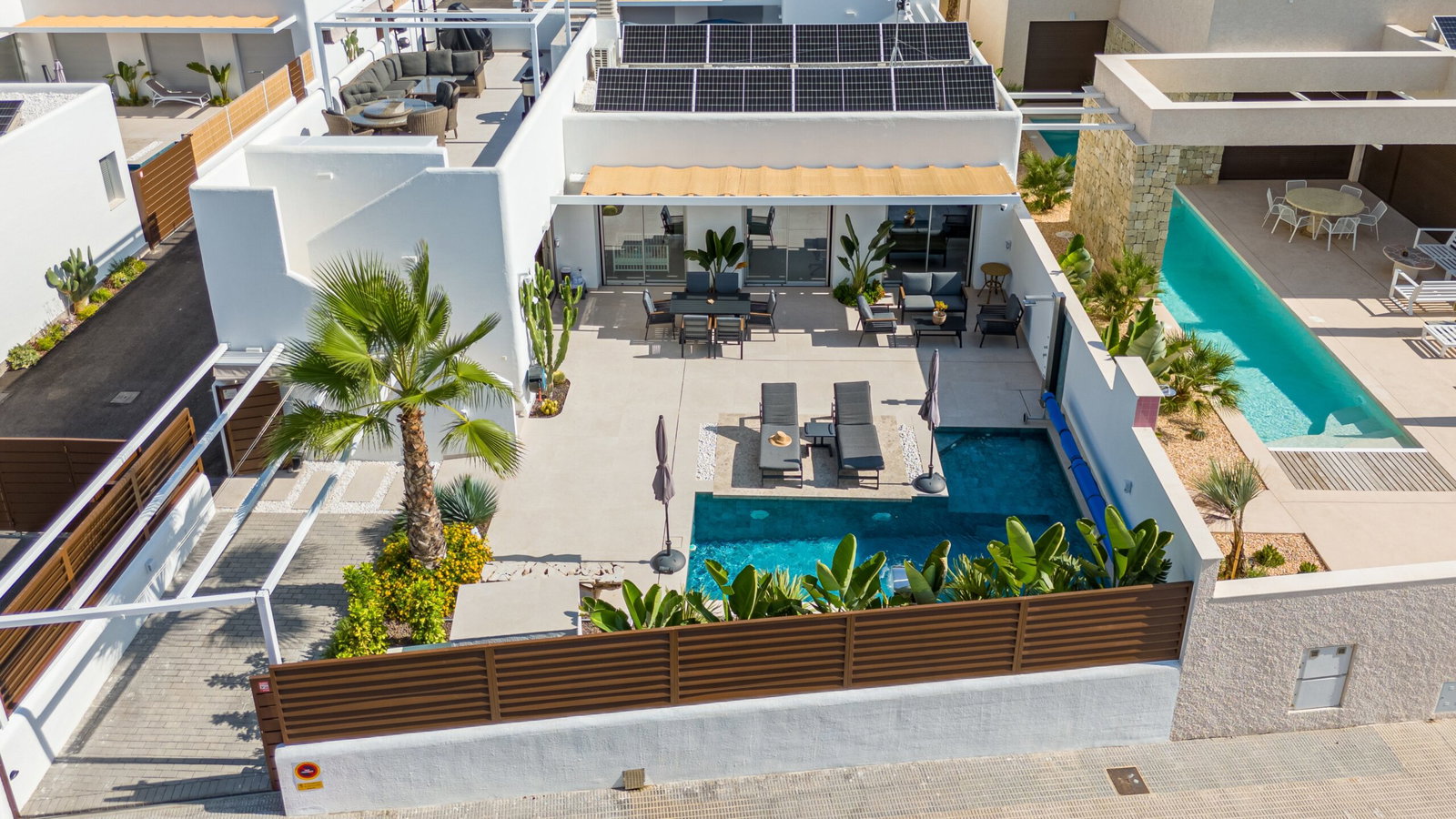
Harnessing Sunlight and Coastal Currents
Along Spain’s braided shoreline, an increasing number of homeowners are embracing green energy methods that synchronize with the environment. With abundant sunny days and soaring energy prices, solar panels are emerging as a favored addition, especially in coastal regions where light exposure remains dependable.
Key Drivers
- Reliable Sunlight – Spain’s climate delivers consistent daylight, making solar installations more viable.
- Escalating Energy Costs – Rising bills motivate coastal families to seek alternative power sources.
- Sea Breezes – Coastal breezes complement solar panels, enhancing overall energy efficiency.
What Homeowners See
Residents along the coast are witnessing a surge in solar adoption. Panels installed on rooftops not only reduce dependence on the grid but also pair seamlessly with natural breezes. The combination of dependable sun exposure and rising costs positions solar panels as an attractive, eco‑friendly choice for Spanish coastal living.
Perfect conditions for solar energy
b>Spain’s Sunny Coast Brings Solar Surge
Spain’s hot corners—Costa Blanca, Costa Cálida and Costa del Sol—give rooftops the perfect catch‑ment for solar panels.
New Builds Come Pre‑loaded
- Modern homes are built with panels already wired.
- Older houses can be retrofitted without major disruption.
Battery Storage Keeps Energy Flowing
- Home batteries store surplus sun‑energy for cloudy evenings.
- Energy can be released on demand, saving on grid costs.
With Spain’s generous sun hours, coastal living now enjoys a greener, more self‑sufficient roof‑top energy solution.
Dealing with coastal weather conditions
Ensuring Solar and Wind Systems Thrive by the Sea
Key Challenges of Coastal Installations
- Salty Atmosphere: Corrosion can undermine panels.
- Stormy Weather: Strong gusts stress mounting systems.
- Exposed Sites: Clifftop or open areas face the toughest wind conditions.
Strategies for Longevity
- Corrosion‑Resistant Materials: Choose alloys or coatings that guard against salt.
- Robust Mounting: Use mounting hardware designed to resist high wind loads.
- Regular Maintenance: Inspect panels, trim foliage, and lubricate rotating components to keep performance stable.
Leveraging Wind in Coastal Zones
- Small Wind Turbines: They can complement solar in homes, especially where rural or less built‑up areas allow unobstructed wind flow.
- Rural Advantage: Far from urban density, turbines enjoy more consistent wind resource.
Energy efficiency and home value
Upgrading Your Spanish Home: Energy Efficiency Unpacked
When you buy or upgrade a property in Spain, the Energy Efficiency Certificate (Certificado de Eficiencia Energética) tells you how well the house keeps warm and how efficiently it uses power. Coastal houses especially benefit from extra insulation and double‑glazed windows, because they must handle scorching summers and humid winters. Raising your home’s rating saves on energy bills and increases its market value.
Why the Certificate Matters
- Heat Retention – Insulation keeps interior temperatures stable.
- Energy Use – A high rating shows lower electricity consumption.
- Property Value – Better energy performance often raises resale price.
Common Upgrades for Coastal Homes
- Double‑glazed windows to block wind and damp.
- High‑performance insulation for walls and roofs.
- Efficient heating and cooling systems that match local climate.
Getting the Certificate
- Contact a certified energy auditor.
- They assess insulation, glazing, and mechanical systems.
- Receive a certificate rating from A to G.
Empowering your Spanish property with the Energy Efficiency Certificate not only pays back on bills but also secures a stronger asset for the future.
Take Action Today
- Ask for a free energy audit.
- Invest in insulation and double glazing.
- See your certificate rating rise and bills fall.
Simple upgrades make a big difference
Smart Upgrades for Energy‑Saving Coastal Dwellings
Key Home Improvements
- Shading devices on windows reduce glare and lower cooling costs.
- High‑efficiency appliances cut yearly power usage.
- Water‑conserving fixtures such as low‑flow taps and showers minimize wastage.
Greywater for Garden Irrigation
Seasoned homeowners with outdoor areas can channel greywater into sett‑up irrigation systems, keeping gardens lush without extra tap water.
Financial Incentives from Local Councils
Many councils now grant renewable energy rebates or tax credits for permanent residents, making upgrades both greener and more affordable.
Planning ahead for installation
Understanding Local Planning Rules for Solar Installations
Key Planning Variations
- Protected Zone – Solar panels may need additional approvals if your property lies within a designated protected area.
- Historic Building – Heritage status can impose extra restrictions on installing panels or altering exterior materials.
Checklist Before You Proceed
- Verify the Planning Permission required for your specific locality.
- Confirm whether the building already boasts a south-facing roof to maximize solar efficiency.
Why South-Facing Matters
A south-facing roof captures more sunlight throughout the day, making solar panels significantly more effective and cost‑efficient. Ensuring your roof orientation aligns with this principle can dramatically improve your system’s performance.
A smarter way to live by the coast
Coastal homes are adopting green energy as the new norm
Why going green is the smart choice for seaside buyers
- Future-proof your property with renewable technologies that reduce long-term costs.
- Enjoy the sea breeze without compromising on energy efficiency.
- Increase resale value by staying ahead of environmental regulations.
Buyers who invest in coastal homes today are securing a brighter, greener tomorrow while still living the coastal lifestyle they want.