DFDS Sets Sail for a Greener Future
Why It Matters
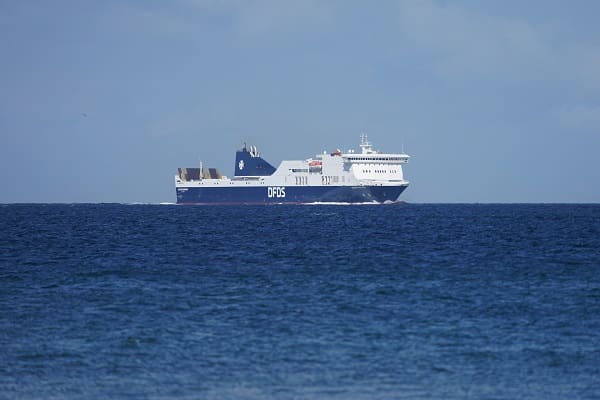
Picture this: the Channel, the water that separates the UK from the EU, turning into a high‑tech parking lot for electric ships. DFDS, the maritime crew that’s been ferrying folks and goods across this busy corridor for decades, is putting a whopping €1 billion into six shiny, battery‑powered vessels. The goal? To slash carbon emissions and keep the trade between the world’s largest economies running smoothly.
What’s the Plan?
- First batch (2 ships) will be up and running by 2030. They’ll patrol the Dunkirk‑Dover and Calais‑Dover routes, carrying both passengers and freight.
- Remaining four ships will join the party by 2035, giving the Channel a full electric fleet.
Why the Channel is a Sweet Spot
Because it’s short, folks. The distance between the UK and France is ideal for battery‑driven ferries. No need for a tank of diesel or a plug‑in that runs out of charge halfway across. Just pure, clean electricity.
Words from the Captain
Torben Carlsen, CEO of DFDS, says, “This is a big step toward decarbonising cross‑Channel transport. Electrifying our fleet helps us hit our climate goals and speeds up the shift toward a greener shipping industry.”
All Hands on Deck
DFDS has teamed up with the Port of Dover, the Port of Boulogne‑Calais, and the Port of Dunkirk. They signed a Memorandum of Understanding on March 15 2023, pledging to work together to make the Straits of Dover a beacon of clean maritime traffic.
What Happens Next?
With the investment in place, DFDS is steering the Channel into a cleaner, quieter future—one battery at a time. Stay tuned: the first electric ferry will be docked soon, and the rest will follow in the next five years.
Collaboration is the key to the transition to low-emission transport
DFDS & the Future of Electric Ferries
Picture this: a fleet of sleek, zero‑emission ships zipping across the Channel, powered by batteries that are as reliable as your favorite kitchen appliance. Sounds like sci‑fi? Not really. DFDS is making it happen — together with top battery gurus, ship designers, and energy efficiency whizzes, all while keeping safety top‑notch and the planet happy.
What’s the Play?
- Design high‑performance electric vessels, including three under French flag.
- Use low‑impact production methods that don’t leave a carbon trail.
- Partner with national authorities, infrastructure pros, and energy suppliers for a robust power backbone.
Why the Extra French Touch?
DFDS and the French government have been chatting over coffee (and a lot of plans) lately. The French are rolling out an ambitious energy transition strategy aimed at wrangling the country’s infrastructure to match their green ambitions. It’s a game‑changer for shipping.
“We Can’t Go Green Alone” — Torben Carlsen
“The green transition is a team sport,” says Torben Carlsen. “Without solid land power supplies and charging setups in ports, our electric ships can’t get off the hook. I’m thrilled that both sides of the Channel are on the same page, building green transport corridors together.”
These vibes were shared at the 7th Choose France Summit, a gathering sparked by President Emmanuel Macron himself.
DFDS’s 2023 Roadmap
“Moving Together Towards 2030” is our new strategy. By 2050, we aim to become a net‑zero company, but there’s a faster timeline too: six green ferries in full swing by 2030, including two electric Channel ships.
So, there you have it. DFDS is steering the maritime world toward an electrified future — armed with battery tech, top design, and a big splash of French energy planning, all wrapped in a delicious dose of optimism and a dash of humor.