
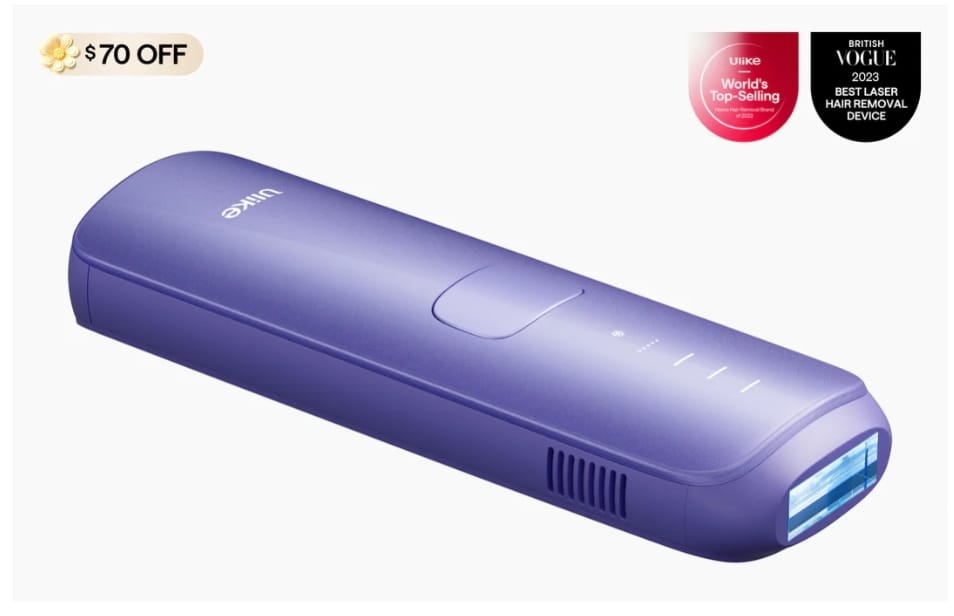
Intense Pulsed Light (IPL) devices have gained popularity as a convenient and effective method for at-home hair removal and skin rejuvenation. However, concerns have been raised about the safety of IPL devices, particularly regarding their potential association with cancer. In this detailed article, we’ll explore the relationship between IPL devices and cancer, dispel common myths, and provide essential tips for safe and responsible use.
Understanding IPL Devices
IPL devices utilize broad-spectrum light energy to target specific structures in the skin, such as hair follicles or pigmented lesions. This light energy is absorbed by the target cells, leading to their destruction or breakdown. IPL devices are commonly used for hair removal, treating skin pigmentation issues, reducing acne, and improving overall skin tone and texture.
Myth: IPL Devices Cause Cancer
One of the most common misconceptions about IPL devices is that they cause or increase the risk of cancer. However, there is no scientific evidence to support this claim. IPL devices emit non-ionizing radiation, which is different from the ionizing radiation associated with cancer-causing effects. Non-ionizing radiation, such as that emitted by IPL devices, does not have enough energy to ionize atoms or molecules and therefore does not pose a cancer risk. While concerns may arise, it’s important to clarify that there is no scientific evidence suggesting that IPL devices cause cancer. Understanding this misconception is crucial for safe and informed use of IPL devices.


