Euro Holds Ground as German Data Fuels a Small Surge
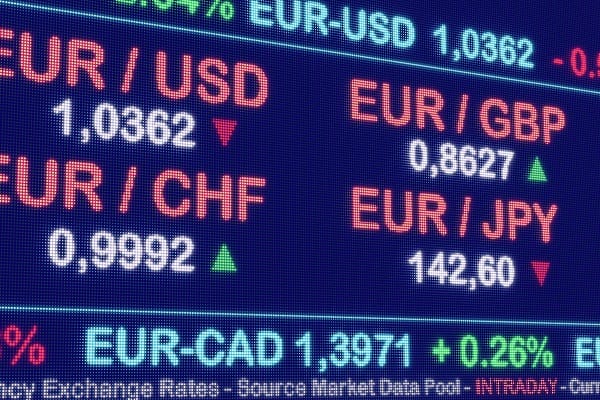
Quick recap: At around 07:00 GMT, the euro hovered near 1.0947 USD, then slipped by about 0.14 % a few minutes later. Still, traders appear optimistic that this could be the start of a three‑week winning streak.
Why Germany’s Numbers Matter
- Industry revs up. December’s 2 % slump flipped into a 1 % gain in January. Destatis says a 2.7 % rebound in construction pushed the whole sector up, backed by growth in food, machinery assembly, and maintenance.
- PPI performance. The Producer Price Index ticked up a decent 0.2 % month‑over‑month, after a 0.8 % drop. On an annual basis, prices fell 4.4 % – the slowest slide since last July.
- Price mix. Food, consumer, and durable goods nudged prices up, while energy hits continued to chop back gains.
What It Means for the Euro
Positive German data dampens the hope of an early ECB rate cut next June, especially after Lagarde’s recent comments suggesting a potential April cut—a dream that’s looking more like a distant mirage.
The Dollar’s Downturn
The US dollar remains weak. Market sentiment favors a Fed cut in June, and there’s still lingering doubt for May. This expectation pushed Treasury yields, especially the 10‑year, to their lowest levels in over a month. The dip in US yields has helped cushion the euro’s corner as euro‑zone yields (particularly Italian bonds) also continue to fall.
Looking Ahead
All eyes now stare at US labor data: analysts predict 198,000 jobs added in February and wage growth cooling to 0.2 %. If numbers come in lighter than expected, the euro might clinch a rebound to its highest level since mid‑January.
Stay tuned for real‑time updates—subscribe now to never miss a beat.