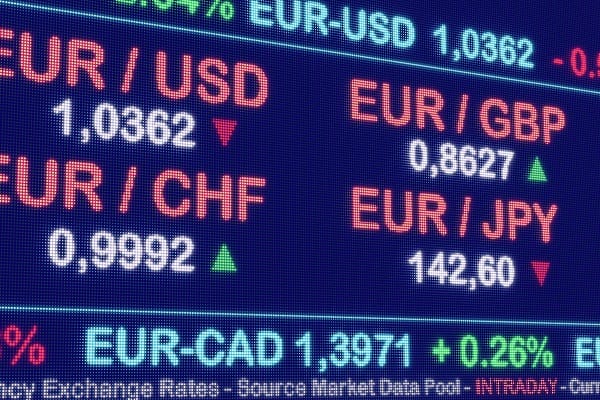
Euro Takes a Stumble: Fell 0.2% Further as the Dollar Springs Ahead
By Market Pulse
What Happened?
Yesterday, the euro slipped past the 1.08320 mark, down by 0.2% for the second day running. That’s the lowest level in almost two weeks and a nudge toward a sluggish trading week.
Why the Euro’s Feeling Dim?
The slump is a recipe of weak private‑sector data across the eurozone, coupled with a growing yield gap that’s hit a two‑week high. In simple terms: investors are less excited about European economic activity, so they’re looking for a better return elsewhere.
Key Numbers to Remember
- 10‑year US Treasury yields have nudged ahead of German equivalents by 1.822%—the largest spread since early July.
- Manufacturing PMI in Germany & France dropped, while the services sector is riding a brief tailwind.
- Consumer sentiment (GfK) in Germany showed a temporary uplift, but experts warn it might be a fluke.
Germany’s Mixed Signals
While consumers feel slightly less pessimistic, German private‑sector activity tells a different story. Manufacturing is shrinking faster than expected, and new orders have fallen for the second month running.
And yet, service business – the kind of service that can’t be 100% automated, like cafés and legal advice – is doing a bit better. Still, the overall takeaway is that the economy is not pulling up its socks fast enough.
European “Easter Eggs” and Their Impact
There were brief flashes of growth in service activity in France, possibly thanks to the recent Olympic Games. But even this has faded quickly, and the bad news in manufacturing remains.
US Politics: The Wallet‑Warming Wonder
On the American side, political drama is stirring up Treasury yields again. The rollercoaster of the presidential race – from Trump’s attempted assassination to Biden’s abrupt exit and Harris’s rise – is causing the US to see a steadier demand for its bonds.
All this means more support for the dollar and a few less coins for the euro.
What Investors Might Do Next
With the economy showing weaker growth and bond yields pulling farther apart, the euro will likely keep losing ground. U.S. bond yields are being hailed as “safe havens” amid political turbulence, so the dollar just keeps piling on.
Takeaway: Stay on Your Money’s Radar
The euro’s slide isn’t a secret—making it a perfect opportunity to rebalancing your positions. Whether you’re a seasoned trader or a new investor, keep an eye on manufacturing data, consumer sentiment, and the ever‑fluctuating US political scene.
Disclaimer: This article is for informational purposes only. Investing involves risk, and you should consult a professional adviser before making any decisions.