Euro Tumbles Even After a Bright Read‑out for Germany and the Eurozone
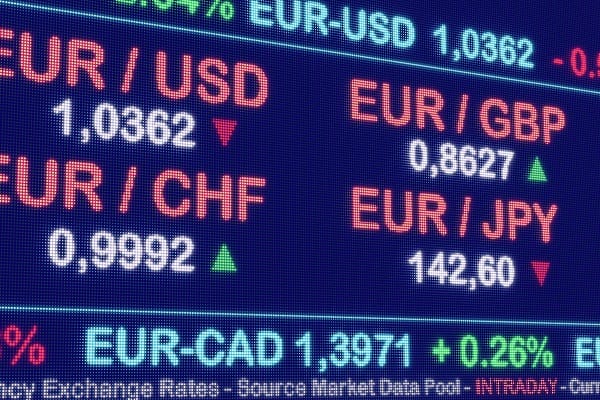
Despite a surprisingly upbeat mood in Germany and the Eurozone—home to the highest economic‑sentiment figures in two years—the euro still found trouble at the beginning of the day. It slipped 0.04% after 9:00 a.m. GMT, a little bruised by the surge in U.S. Treasury yields.
January‑style Sentiment, But Not Enough
- April ZEW Economic Sentiment Index: Germany 42.9 (vs 35.9 expected)
- Eurozone 43.9 (vs 37.8 expected)
- These numbers are the best since February 2022
“We’re looking at a potential German rebound over the next six months,” the ZEW Financial Market Survey notes. Yet optimism is only partially matched by analysts who still dread a June rate cut.
Fed’s Slow Dance and U.S. Yields Drive the Slide
According to the CME FedWatch Tool, the chance of a 25‑basis‑point drop in June has slipped to about 22%—down from a 60% probability just a month ago. Meanwhile, U.S. Treasury yields hit their highest levels this year, putting a real dent in the euro’s prospects.
Key Yield Snapshot
- Ten‑year U.S. Treasury yield: 4.649%
- Ten‑year German bond yield: hovering around 2.449%
- The German bond has been trading sideways for the last two months
In addition to the monetary policy fuzz, geopolitical jitters—from tensions in the Middle East to looming wars—have added to the anxiety that keeps the euro from rallying. Even healthy sentiment can’t outrun the noise of higher borrowing costs.
Bottom Line
The euro may keep looking a little blue for now, but the strong sentiment in Germany and the Eurozone gives hope. Whether that optimism translates into a stronger euro depends largely on what the U.S. Treasury yields and Fed policy decisions play next.