Barbary Cubs Step into the Spotlight in Czech Republic
First Public Steps
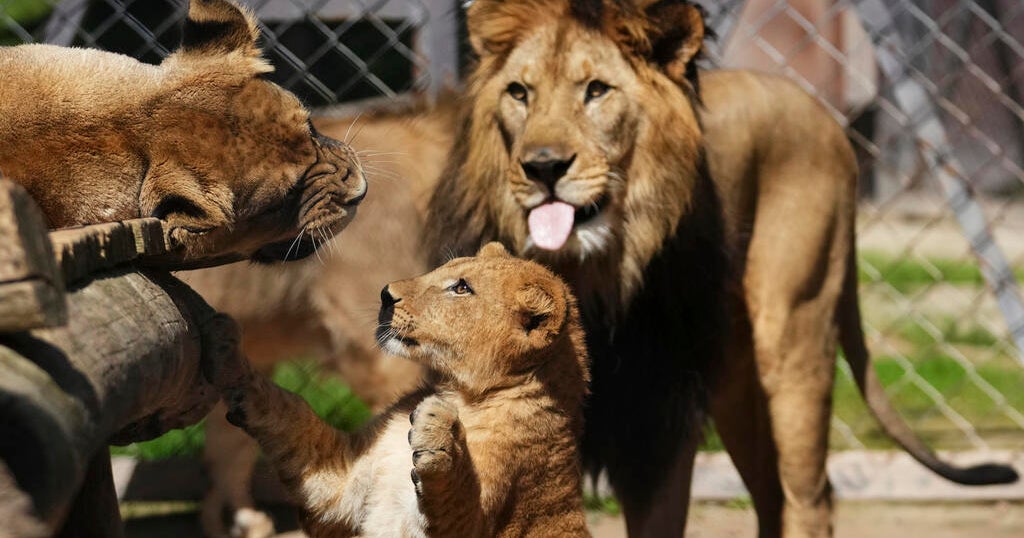
The world caught a fresh glimpse of hope for North Africa’s lost king as four tiny Barbary lions padded cautiously into the outdoor paddock of Dvůr Králové Safari Park.
Wednesday’s debut saw the cubs—three sisters and one spirited brother—tumble through tall grass, pounce on one another, and practice miniature roars while their regal parents, Khalila and Bart, kept an unruffled but watchful eye from the shade. The quartet had spent the chill of early January inside the park’s maternity dens and only ventured into daylight view in mid-April. Onlookers filled the lion pavilion with gasps of delight as snow-white ear tufts flicked and tawny bodies rolled in synchronized play.
What Makes These Cubs Special
• None identical to modern circus lions, the thick mane of the adult male reaches the belly—classic for Panthera leo leo
• All four cubs trace to founders originally captured from Morocco’s Atlas Mountains in the 1960s
• Genetics confirm less than 1 % introgression from other lion subspecies, a benchmark for future wild release
Road Map from Zoo to Wilderness
Dvůr Králové curators are not content with a photogenic exhibit. Their long-range blueprint unfolds in three determined stages:
- Genetic bank reinforcement with unrelated individuals shipped in from Moroccan and European collections later this year.
- Semi-free-roofing training in a newly fenced 15-hectare back-of-house reserve where cubs will learn to stalk live prey.
- In-situ acclimatization in Atlas foothills enclosures scheduled for 2028, preparing first pride release in 2030.
You can help
By visiting the Safari Park this summer, you directly fund GPS collars, veterinary kits, and ranger patrols—small expenses that become mighty tools for bringing the roar back to North Africa.
Four New Cubs Begin Their Grand Adventure
Playful Beginnings in the Czech Forests
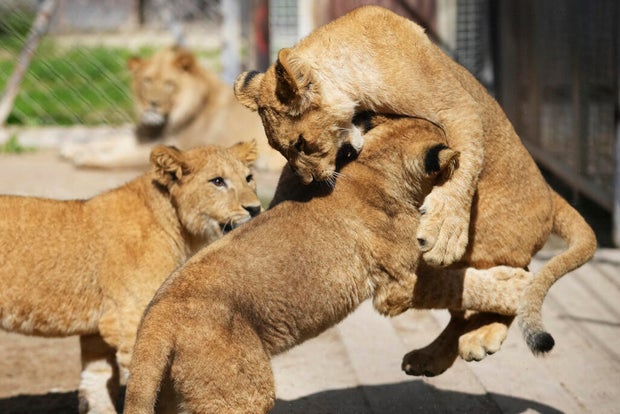
On a soft August afternoon, three of the four newly-arrived Barbary lion cubs tumble through the long grass of their Czech habitat. While visitors press against the safety railings, the young cats practice the pounces and sideways hops that will one day serve them in the wild. Their coats—still short and sun-bleached—catch the light as they roll over one another, unaware that passports for their next journey are already being processed.
A Global Relay Race for Survival
The Big Move
- Destination #1: Beersheba’s desert-edge wildlife park in Israel, where keepers have prepared a savanna-like enclosure overlooking the Negev.
- Future Stops: Other partner institutions across Europe and the Middle East, each chosen to widen the gene pool and perfect husbandry techniques.
- Guiding Hand: A worldwide breeding program that logs every whisker-length of growth, aiming to secure the line once lost to spears, rifles, and broken mountain forests.
Once the King of the Atlas—Now a Footnote Waiting to be Erased
Nearly a century ago, Panthera leo leo stalked the cedar ridges of Morocco and Algeria, its thick mane brushing against morning mist. Gladiators, trophy hunters, and expanding farms chipped away at the population until the last known Barbary lion disappeared sometime in the 1960s. Today, every birth is a small act of defiance against that erasure.
Echoes of the Future
Behind the scenes, scientists are quietly mapping the ancient lion’s former kingdom. Preliminary radio-collar trials for captive-bred individuals have begun, but as Deputy Director Jaroslav Hyjánek admits, any dream of release is “a horizon still shimmering with heat, not yet within reach.”
What Comes Next
For now, the cubs will keep learning. They will sharpen claws on eucalyptus trunks in Israel, feel Saharan dust beneath their pads, and eventually—if permits and politics align—feel true Atlas wind riffling that legendary mane once more.
Paw-sitive News from the Czech Savanna
A Royal Romp Under the Bohemian Sun
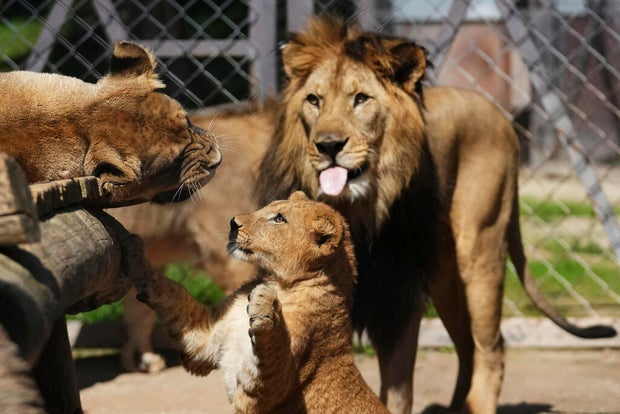
On the morning of 6 August 2025, a fluffy Barbary lion cub bounded across an enclosure at Dvůr Králové Safari Park, batting playfully at its patient father while its mother lounged nearby. The six-week-old kitten is one of four siblings born this summer, delighting both keepers and visitors in the Czech Republic.
From Oblivion to Hope: The Barbary Lion Saga
- 1925 – Last photograph ever taken of a Barbary lion in the wild.
- 1942 – The final known wild adult is hunted, sounding the death knell for the species in its native habitat.
- 1960s – Scattered pockets believed to vanish altogether from the deserts and mountains of North Africa.
- Today – Fewer than 200 Barbary lions survive worldwide, all living under human care.
Dvůr Králové: Front-Line Breeding Success
The four new cubs continue a heart-warming streak for the park. Mother lioness Khalila, transfixed visitors since her arrival in 2018, has proved to be a prolific parent:
- 2019 – First litter of two.
- 2020 – Triplets born on a warm July afternoon.
- 2021 – Another healthy pair.
- 2025 – The current quartet of playful cubs.
Why These Cubs Matter
Every birth is carefully choreographed. The European Conservation Programme pairs males and females across zoos to maximize genetic variation, then decides where offspring should be homed next. Such planning, the park insists, is critical to the long-term survival of this regal cat once known as “the king of the Atlas Mountains.”
Barbary Pride Boasts First Litter of 2025 at Czech Safari Haven
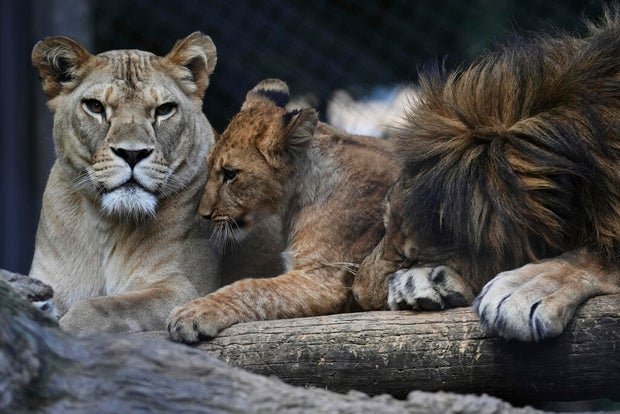
A whiskered newcomer nestled calmly between its regal parents on August 6, 2025, instantly becoming the heart-stealing highlight of Dvůr Králové Safari Park. The fluffy cub—one of four siblings born earlier this year—shared an affectionate moment with mother Khalila and father Bart inside their wooded rocky enclosure, offering visitors a rare glimpse of North Africa’s most storied lion lineage in the heart of the Czech Republic.
Snapshot of the Birth Boom
- Date of birth: early spring, 2025
- Clutch size: four playful cubs
- Parents: Khalila (dam) and Bart (sire), both genetically verified Barbary lions
- Public debut: August 6, captured lounging amid low-hanging cedar branches
The quartet remains off-limits for close encounter programs while they receive routine veterinary checks and vaccinations, yet a network of strategic viewing bridges allows guests unobstructed lines of sight to the pride’s daily antics—stretching, mock-stalking, and afternoon snoozes piled atop one another in a golden heap.
Conservation crews note that every healthy Barbary cub is a victory: the subspecies once roamed Morocco’s Atlas Mountains but slipped into functional extinction in the wild by the mid-1960s. The Czech park collaborates with zoos on three continents in an effort to sustain viable genetic diversity, making the arrival of four energetic youngsters a milestone worthy of celebration.
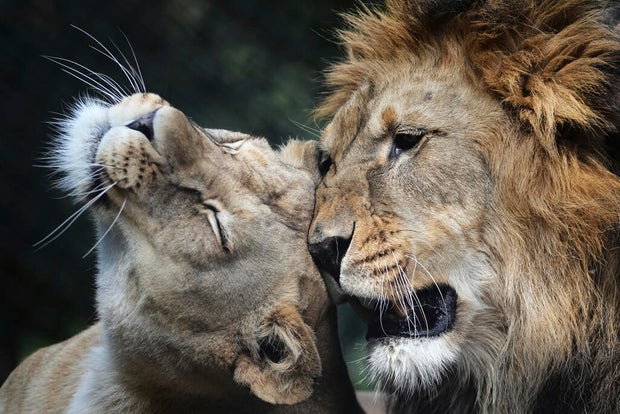
A Dream Reborn: Bart, Khalilia, and the Quest to Restore North Africa’s Lost King
The Quiet Moments Before a Historic Choice
Bathed in late-summer sunshine, Bart—a majestic male Barbary lion—and his companion Khalilia lounge atop a rock shelf inside their Czech enclosure. Their copper manes ripple in the breeze of August 6, 2025, oblivious to the fact that their daily nap might be recorded by history books as the calm before an unprecedented storm of conservation action.
From Zoo Grounds to Mountain Peaks: A Potential Homecoming
Zoologist Martin Hyjánek, who has watched this pair grow from cubs, believes the quiet hillside outside Prague could soon be replaced by the wild ridges of Morocco’s Atlas Mountains. Preliminary discussions with Moroccan wildlife officials have been encouraging; officials have “not rejected” proposals to bring the North African lion back to its ancestral territory.
- 2025: Final health and behavioral assessments on six candidate lions, including Bart and Khalilia.
- Late 2025-Early 2026: A summit of ecologists, veterinarians, community leaders and legal experts in Morocco to vote on the reintroduction roadmap.
- Atlas Test Site: A preliminary release within a fenced sector of one of the Atlas national parks to monitor prey levels and human–lion conflict.
Mountains of Challenges on the Mountains
A return after more than half a century of absence is anything but simple:
– Legislative Labyrinths & Permits
National park statutes, international animal-transit laws and gene-banking protocols must be rewritten or fast-tracked—an endeavor likened to “diplomatic safari” by one negotiator.
– Ecology in Renewal
The Atlas ecosystem has forgotten its apex predator:
- Prey density: Barbary stag, boar and Barbary sheep populations must rebound to 1980s levels before lions can be fully self-sufficient.
- Genetic diversity: Zoo-bred individuals must be screened for hereditary disorders to avoid repeating the European bison’s bottleneck mistakes.
– Living with the Neighbors
Pastoral Amazigh communities would bear the greatest risk. A compensation fund, predator-proof night corrals and eco-tourism revenue shares are among the social safeguards being weighed.
Why Risk It All? The Conservationist’s Creed
“Unless we try, zoos become mere living mausoleums,” argues Hyjánek. He frames the reintroduction as a litmus test:
- Ecosystem restoration: Reinstating the lion could compress over-grazing, curb invasive flora and revive trophic cascades.
- Cultural revival: The lion adorns ancient Amazigh rugs and Roman mosaics—its roar could once again echo through indigenous lore.
- Global climate signal: A successful project might set a precedent for rewilding other climate-stressed megafauna.
Countdown to the Vote
While Bart stretches, yawns and swats at late-afternoon flies, a team of Czech keepers logs his stride length and lung capacity—data points to be presented at the forthcoming summit. Should delegates concur that the vision outweighs the hurdles, the pride may trade their penned enclosure for cedar forests and snow-dusted ridgelines before the decade ends.
In the meantime, visitors to the zoo will notice new signs: “Witness the ambassadors of a comeback.” One day, those ambassadors might patrol the Atlas again, restoring roars the mountains have missed for far too long.
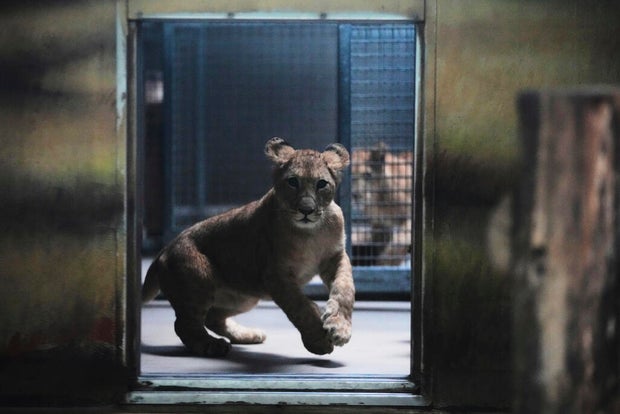
New Clawed Explorers Prowl Czech Savannah
Roar Update from Dvůr Králové
On a clear Wednesday morning, August 6, 2025, keepers at Dvůr Králové Safari Park cheered as the youngest Barbary lion cub burst from the shaded holding pen and tested its growing legs across the open grassland. The caramel-colored sprinter, the bravest of four siblings born earlier this year, marked the park’s latest triumph in the fragile comeback story of North Africa’s legendary big cat.
Life in Fast Motion
- Curiosity first: The cub paused only long enough to sniff an acacia stump before launching another sprint, tail flicking like a pennant in the breeze.
- Audience assembled: Staff members lined the observation deck, cameras ready, as the remaining three cubs tumbled after their trailblazer.
- Natural soundtrack: Distant wildebeest added their own grunts to the growing chorus of excitement.
From Cradle to Conservation
The birth quartet is especially significant: fewer than 100 Barbary lions survive worldwide, and every new heartbeat tightens the genetic lifeline. Petr David Josek, on assignment for the Associated Press, captured the moment the boldest youngster kicked up dust against the backdrop of golden Czech grasslands.
What Happens Next
Keepers plan to introduce the pride to a wider section of the drive-through reserve later this summer. Until then, visitors can watch daily exercise races—now officially nicknamed “little thunder runs” by the park’s education team—through a dedicated lion-viewing bridge.