McDonough Meteorite: A Time-Traveler That Landed in a Living Room
The Day the Sky Cracked Open
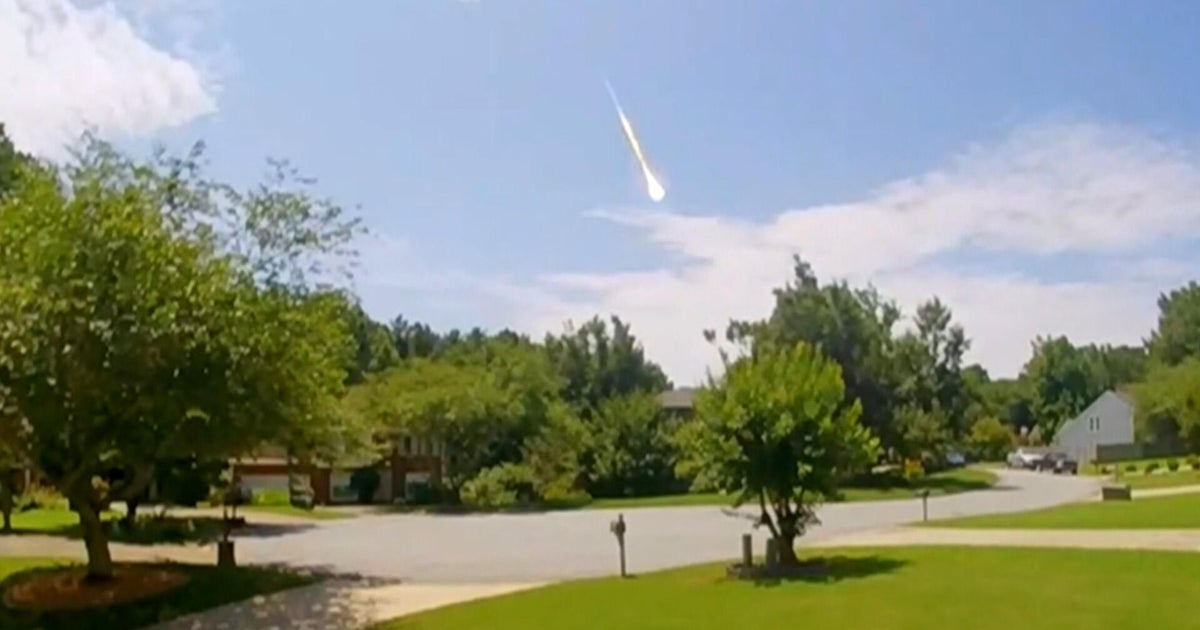
On a sleepy June 26 afternoon, residents of Georgia and South Carolina glanced up at the sun-drenched sky only to see a brilliant white flare slicing through the blue. Phones rang across counties as hundreds reported a fireball that shimmered and then detonated with seismic booms. NASA later confirmed the event—a meteor had exploded mid-air high over Georgia, showering the region with cosmic debris.
What Plunged Through the Rooftop
- Impact site: A single-story house just outside Atlanta, in McDonough.
- Projectile: A cherry-tomato–sized fragment—23 g in total—burrowed through the roof like a high-velocity bullet and left a pockmark in the hardwood floor.
- Immediate aftermath: The homeowner, dusting himself off, began spotting glittering grains of space dust around the living room; he still finds extra specks weeks later.
Older Than the Planet We Call Home
University of Georgia planetary geologist Dr. Scott Harris, who examined the shards under high-powered microscopes, delivered a staggering verdict:
“This celestial wanderer crystallized 4.56 billion years ago—about 20 million years before Earth itself existed.”
The Cosmic Family Tree
The meteorite’s mineral fingerprint groups it with ancient asteroids inhabiting the main belt between Mars and Jupiter. Harris and his team argue those asteroids are the shattered children of a gigantic parent body that met its end around 470 million years ago, spraying the inner solar system with rocky splinters.
A New Name for an Old Traveler
Researchers plan to petition the Meteoritical Society to christen the specimen the “McDonough Meteorite,” joining a select registry that includes only 27 approved Georgia meteorites, six of which were actually seen in flight.
Why Falling Space Rocks Are No Longer Rare
According to Harris, modern technologies—smartphone cameras, dashboard recorders, and rapid-fire social-media alerts—are turning once-in-a-century events into something “we may witness every few years.” An attentive public has become, in his words, “an army of citizen astronomers.”