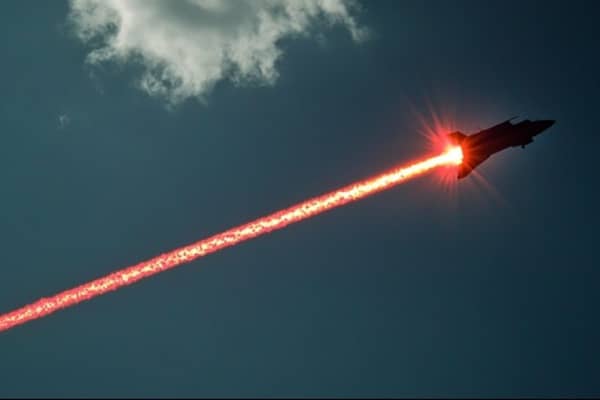
Ukraine’s New Laser‑Lit Battle Plan
Within just two months, Ukraine rolled out its very first laser weapon, the Tryzub. That’s impressive—yet it’s also quite the exclusive club now. Less than ten countries around the world own such tech.
Why the Buzz About Directed Energy Weapons (DEWs)
Photonics guru Antanas Laurutis, CEO of Altechna, points out that DEWs are poised to become the new MVPs of military defence thanks to their cost‑effectiveness & durability. Think of it as a budget‑friendly version of the high‑end systems you’d expect.
- Case in point: UK’s DragonFire laser stands out—each shot costs about $13, compared to missiles that can reach $111 million.
- DEWs could slash costs by hundreds of times compared to some legacy tech.
But They’re Not Tick‑Tick‑Tick 100% Perfect
Laurutis says, “A single cheap shot is only the tip of the iceberg. There’s a whole chain to get there.” Two big hurdles:
- Portability – The gear needs to be light enough for ground and air deployment.
- Optics Durability – Must survive high power without cracking or fading.
In practice, laser optics have to boast a high Laser‑Induced Damage Threshold (LIDT) and low absorption rates to keep the system from overheating. The better these specs, the longer the weapon can fire without needing a costly maintenance break.
Why Countries Care About DEWs
More nations are pouring money into laser‑based defence because the tech promises precision, scalability, & affordability. Although big players like the U.S., U.K., Israel, Russia, China, France, India, and Turkey are all in the race, progress remains fragmented. The European playcard, with TALOS‑TWO, aims to unite efforts across member states.
How DEWs Change Modern Warfare
Traditional missiles and drones spread chaos over large areas. Laser weapons do the opposite—they deliver pinpoint accuracy. According to Deividas Buinovskis, CTO of Altechna:
- They’re most effective defensively, intercepting drones, rockets, or mortar shells.
- A laser blast can neutralize a target without causing large‑scale destruction.
Market Outlook
The global directed energy weapons market was about $6.7 billion in 2024, with a projected 17.6% CAGR through 2034. The crunch in funding is fueled by the need to outsmart drones and unmanned aerial threats.
But success hinges on overcoming technical hurdles—beam stability, power efficiency, clear operational strategy, and robust international cooperation. That’s where the real challenge—and the fun—lies.
Let’s Keep the Light Shining
So, the next time you hear about a laser “slayer,” remember it’s not just flashy science tech; it’s a growing movement aimed at making defence both cheaper and sharper—and hopefully, a lot safer for everyone involved.