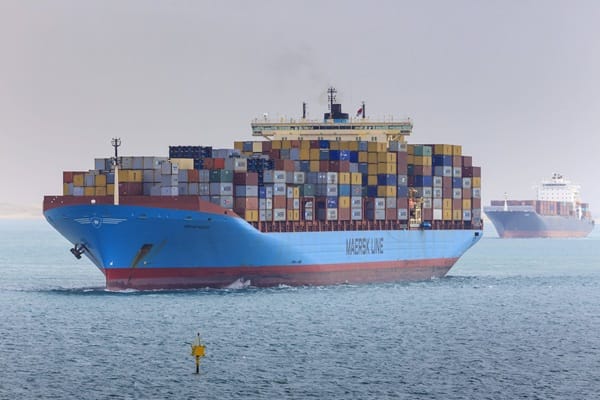
Container Market Gets Tight: A Quick Look
A recent survey from Container xChange, tapping into the voices of roughly 800 freight forwarders, container traders and supply‑chain pros across China, paints a clear picture: the container‑trading scene is getting tighter—and that’s not just a mild chill.
What The Numbers Say
- Prices keep climbing – Every time you go to check a container quote, you’re seeing a new bump up.
- Leasing rates are on the rise – The cost to rent a container is creeping higher, not just because of the usual market noise.
- West‑bound traffic from China has seen a surge, creating a domino effect that’s tightening the market in a way you’d almost feel if you were hauling cargo yourself.
Why This Is Happening
Think of it like this: imagine a popular karaoke room that suddenly has a lot more people wanting to jam. The fewer rooms you have, the more expensive it becomes to grab a spot, right? Exactly what’s going on with containers, but on a global scale. More shipments heading west, combined with fewer available containers, means prices and lease costs are shooting up.
Implications for the Industry
- Producers and shippers need to plan ahead—the longer they wait, the steeper the cost.
- Companies that rely on cost‑efficient shipping might need to rethink strategies, perhaps exploring alternative routes or even investing in their own container fleets.
- Regulators and logistics firms should keep an eye on how this tightening could affect supply-chain reliability.
In short, the container market shuffle is getting real. Stay ahead, stay smart, and keep an eye on those prices—after all, nobody wants their shipment to turn into a surprise “tariff” after you’re already on the road.
Customers report 88% spike in average container prices in April-May
Container Prices in China Are Rocking the Boat – And Here’s Why
Picture this: you’re scrolling through a spreadsheet that shows average container rates dropping like a fall‑off‑the‑sky reel, yet the on‑hand market in China is holding a raging price party.
Crazy Numbers for 40‑ft “High‑Cube” Containers
- Last week (Week 21) a used 40‑ft high‑cube container snagged a tidy $3,200—when back in March/April it was cruising around $1,700. That’s an 88% jump.
- Official data says the average 40‑HC rates in China climbed 17% from April to May. In Shanghai it went from $2,158 to $2,530 in a single month.
- These prices have been on a steady climb since November 2023, right when the Houthi rebels hit the Red Sea—spoiler: that chaos has trickled all the way into Chinese container pricing.
- One‑way leasing rates for 40‑HC containers heading to the U.S. have surged from about $950 in early May to $2,480 by the 21st—about a 2.5× increase.
Red Sea Diversions: A Game‑Changer for Container Supply
When shipping lanes re‑route through the Red Sea, containers get stuck. The result? A tight supply that backs the prices higher.
Tariffs, Trade, and the EV Shuffle
- EU & U.S. are looking at import tariffs on China’s electric vehicles (EVs), aiming to bump up costs for those sleek Chinese cars.
- Mexico, Brazil and other allies are set to follow suit after Washington announced a shock‑wave 100% tariff on Chinese EVs.
- Because of this, Chinese auto makers are racing to ship vehicles before tariffs hit. The shipping sector feels the ripple: less container demand means freight rates might slide.
What Container Traders Are Saying
Christian Roeloffs, co‑founder and CEO of Container xChange, paints a picture that’s both hopeful and a little frazzled:
“In an environment of market volatility but with global trade on the rebound, container traders are gearing up for the latter half of 2024. We expect a cyclical rise in demand—and that’s driving up prices in China. Sellers are holding inventory, anticipating a busy, competitive season for shipping.” – Christian
Three Things You’ll Need to Keep an Eye On
- Demand’s on the up: U.S. listings are blowing up; in China, containers are running hot.
- Prices are rising: The graphs for Westbound trade tell the same story.
- Freight rates will climb: Carriers will cash in on the tighter supply.
Small & Medium‑Sized Enterprises (SMEs) Facing Turbulence
SMEs are feeling the squeeze. Securing containers and managing costs will now require a more strategic approach to demand planning and forecasting.
“Effective demand planning and forecasting are more critical than ever,” says Roeloffs. “We must be proactive to anticipate market trends and brace for future uncertainties.” – Christian
So, whether you’re a trader, a ship owner, or just a curious reader, keep an eye on the Red Sea drama and the bumping container prices—because the market’s changing faster than a container can drift across the ocean.
Forecast for Future Container Price Development
Why the xCPSI Is the Ship of Wisdom for Freight Flares
What’s the Deal with the Container Price Sentiment Index?
Imagine a crystal ball that predicts container prices. The Container Price Sentiment Index (xCPSI) isn’t magic—it’s an industry‑archetype tool that captures how supply‑chain pros feel about container costs in the next few weeks.
How Does the Index Work?
- Each week, industry experts answer short surveys and polls.
- They share their gut feelings about whether prices will go up, stay flat, or dip.
- All those answers are mashed together into a single, easy‑to‑read number.
Why Should You Care?
Knowing the short‑term trend is like having a weather forecast for the freight market—you can plan roll‑in-reservations or negotiate better rates before the tide turns.
Quick Takeaway
Think of the xCPSI as a weekly sanity check that tells you whether container prices are likely to rock or roll in your favor. Keep an eye on it, and you’ll be on the right side of the wave.
Industry anticipates further container price hikes
How Container Prices Took a Hangover in 2024
For folks juggling supply chains worldwide, the ripple effect from last year’s price hiccups has been more than a mild buzz—it’s been a full-on cocktail.
High‑flyin’ Numbers
Early 2024 saw the Container Price Index (CPI) roar ahead of its 2023 headline. Think of it as a roller‑coaster that didn’t quite slow down even after the initial exhilaration.
- January & February – record highs popped up like fireworks.
- After the peak, the index dipped, but it stayed topped‑notched compared to 2023.
- Supply‑chain pros everywhere are taking notice – expectations about future prices just got a stricter pep talk.
Why the Market Is Playing Nerve‑sticking Games
Two major heat‑up spots set the stage:
- Red Sea Houthi Skirmishes – chaos in the maritime lanes bought an instant global alert.
- Route Shift via the Cape of Good Hope – ships had to take a longer, windier detour, adding fuel and time to the tally.
These events nudged everything from shipping schedules to freight budgets into a new, unpredictable territory.
What’s Next for the Supply Chain?
As the market’s volatility settles, professionals are locking in strategies that anticipate higher costs. The takeaway? Keep an eye on the price compass; it’s tilting right and fast.
Continued sentiment volatility – more container price hikes on its way
Container Prices Soar: The Market’s Wild Ride
In the 21st week, folks on the shipping front saw container price expectations jump from 37 points to an eye‑popping 62 points. That’s like watching a roller coaster suddenly tilt into a 50‑inch drop – the market is on the edge.
Why This Matters for China’s Leasing Crew
For container leasing firms and traders across China, staying ahead of these shifts is not a luxury – it’s a survival tool. With the wall of higher prices looming, companies are already pulling up their inventory sleeves, ready to stockpile for both the present demand surge and those future peaks that are sure to come.
- Instigated Inventory Boosts – Firms grab more containers now to guard against the upcoming cost spikes.
- Spotlight on Market Volatility – Rapid reading changes signal a market that refuses to stay still.
- Strategic Forecasting – Timing decisions with the knowledge of upcoming price movements can mean the difference between a profit and a loss.
Keep your finger on this fast‑moving market: the upcoming week could turn those 62 points into a full‑blown spike that’ll rewrite the game chart.
What Next?
Gather data, lock down a robust inventory strategy, and stay flexible. The container seas are choppy, but with timely moves you can ride the wave instead of getting caught in it.
Subscribe for Instant Alerts
Want to catch every twist and turn without scrolling through endless pages? Get the latest updates straight to your device the moment they hit the market – just hit “subscribe” and stay in the loop.