Why NATO Should Plug Into Ukraine’s Drone Genius – Not Try to Copy It
According to a fresh report from LSE IDEAS, the next step for the North Atlantic Treaty Organization is to back Ukraine’s own buzzing drone ecosystem instead of producing its own stubborn “copy‑cat” version.
What the study says
In the last few months, Oliver Gill—Programme Manager at LSE IDEAS—along with Jon‑Wyatt Matlack from the University of Regensburg and independent scholar Sebastian Schwartz, walked through Ukraine’s frontline and sat down for candid conversations.
The interviewees ranged from soldiers to civilian hobbyists, business owners, and politicians—all contributing to a wild, collaborative drone culture.
Key takeaway: Ukraine’s fast‑moving drone production is a team sport.
Three major lessons emerged:
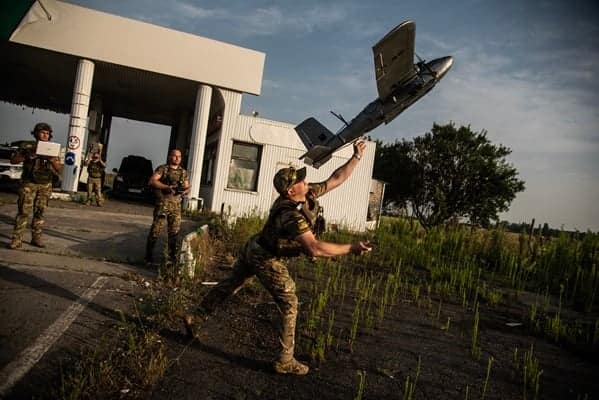
- It’s all about civil‑military teamwork. Soldiers tweak drone designs on the fly, creating a rapid, user‑driven innovation loop.
- They’ve imported DevOps culture from the tech world, turning drone prototypes into production-ready units in record time.
- War forces decentralisation, fostering a human‑centric network that amps up creativity.
One interviewee summed it up: “Bringing the start‑up spirit into the military.” Prioritising fluid, iterative cycles over rigid bureaucracy has turned Ukraine into a drone factory, not a warehouse.
Why this matters for NATO
Matlack, who used to be a Visiting Research Fellow at LSE IDEAS, pointed out that Europe’s security structure is in flux. By the first quarter of 2025, many major European armies still lack wartime stockpiles of ammunition. Meanwhile, drones can be produced quickly and cheaply in bulk—far more economical than pulling out dozens of artillery shells.
In short, by engaging with Ukraine’s tried‑and‑tested drone framework, NATO can strengthen its own tactics without reinventing the wheel. Plus, they’ll avoid the “learning a lesson twice” tragedy that the Ukrainian researchers highlighted.
What to do next
- Take a page from Ukraine’s playbook: let civilians, soldiers, and innovators collaborate freely.
- Adopt DevOps thinking for faster iteration and deployment.
- Focus on decentralised, on‑the‑spot adaptations—exactly what the war on the ground demands.
So, if NATO wants to stay ahead, it’s time to embrace the chaos—and the creativity—that Ukraine has turned into a winning strategy.