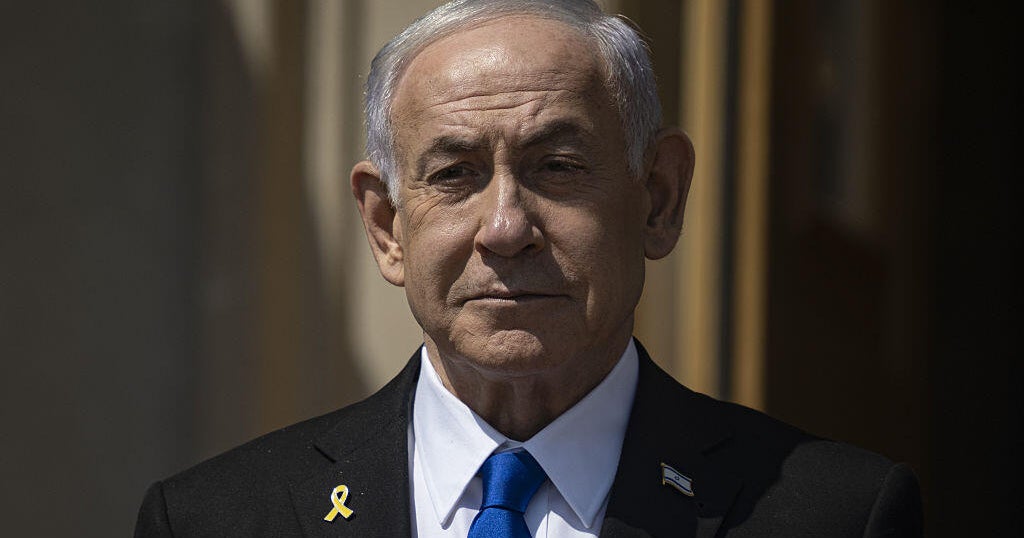
Israel’s Next Phase in Gaza: Netanyahu Vows “Decisive Action,” Brushes Off Critics
Jerusalem Briefing: A Tight Calendar, Lofty Goals
Standing before the international press corps on Sunday, Israeli Prime Minister Benjamin Netanyahu framed the looming push into Gaza City not as a choice, but as a moral imperative.
- Purpose: “To finish the job and crush Hamas once and for all,” Netanyahu declared.
- End-state: A demilitarized Gaza, policed not by Israel but anchored by Israeli security oversight, and managed day-to-day by unnamed, non-Israeli civilian leadership.
- Timeline: Described only as “fairly short,” with no exact start date offered.
Five Core Objectives Outlined
- Destroy Hamas’s remaining military capacity.
- Ensure the Strip is forever free of rockets, tunnels, and assault units.
- Reserve Israel’s right to act first if threats resurface.
- Install a non-Israeli administration.
- Refuse any long-term Israeli civilian occupation.
Global Backlash: Fear of Humanitarian Collapse
The Security Cabinet’s green light on Friday to retake Gaza City ignited a firestorm of warnings.
“We will win the war, with or without the support of others,” Netanyahu said, answering critics directly.
Inside Israel, opposition lawmakers worry about the fate of more than a hundred hostages still held since the Oct. 7 attacks. Human-rights groups warn of massive civilian displacement. Foreign capitals fear the operation will deepen Gaza’s humanitarian abyss and destabilize the entire region.
What Lies Ahead
Details remain scant—how long “fairly short” actually lasts, which foreign or domestic body will govern after combat ends, and whether the promised military victory can coexist with the rescue of hostages. For now, the trajectory is set: Israeli armor is poised to advance, and Netanyahu’s message to allies and adversaries alike is unmistakable—the war must conclude on Israel’s terms.
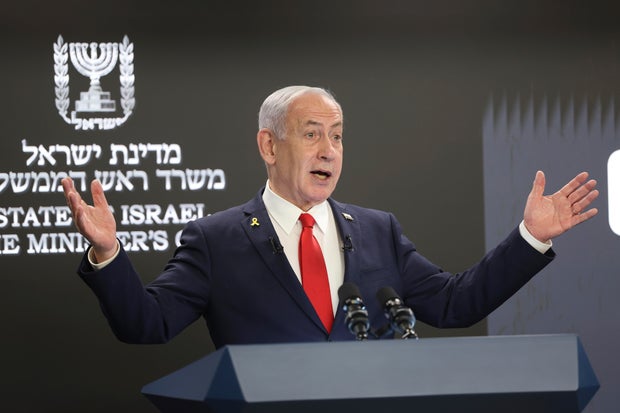
Netanyahu Unveils Final Push to Seize Gaza City, Seeks Broad Media Presence
Key Elements of the Approved Plan
Netanyahu framed the operation as deliberately abbreviated.
Netanyahu-Trump Phone Call
Moments before stepping to the podium, Netanyahu spoke by secure line with President Donald Trump, now in his second term. The Prime Minister’s Office readout emphasized:
Night of Unrelenting Shelling
By late evening, Gaza residents reported carpet-bombing around the historic quarter and the Shati and Bureij camps. Tracers lit the sky above Gaza City’s shoreline as drones buzzed overhead.
Journalists Targeted
Hours later, the IDF issued a terse statement claiming al-Sharif doubled as “a senior Hamas cell commander.” The Foreign Press Association condemned the allegation, demanding verifiable evidence. Human-rights monitors noted the accusation came days after the Committee to Protect Journalists warned Israel was running a smear campaign to discredit eyewitness reporting.
Qatari, Egyptian Diplomacy Gains Momentum
Away from the battlefield, U.S. Special Envoy Steve Witkoff rendezvoused in Marbella with Sheikh Mohammed bin Abdulrahman Al Thani, Qatar’s prime minister. Two senior Arab negotiators told reporters a fresh ceasefire draft is on the table:
While neither Tel Aviv nor Hamas has issued a direct response, diplomats described the talks as the most “workable draft” circulated since the January ceasefire proposal collapsed in April.
What Comes Next
With the UN Security Council convening an emergency session early Monday, world powers are bracing for fresh calls to impose a ceasefire and demands for a transparent investigation into the deaths of the five media workers.
U.S. defends Israel at Security Council meeting
Washington Stands Behind Israeli Position on Security Priorities
State Department Rejects ‘Genocide’ Label for Gaza Operations
The Biden administration forcefully rejected international accusations branding Israel’s military campaign in Gaza as genocidal, declaring instead that Jerusalem alone possesses the sovereign authority to determine measures required for safeguarding its own national security.
Core U.S. Assertions
- Sovereignty over scrutiny: American diplomats emphasized that external actors should not substitute their strategic judgments for those of Israel’s elected leadership.
- Legitimacy of self-defense: Officials framed ongoing strikes as a lawful response to the October 7 attacks rather than a pretext for forced displacement or collective punishment.
Diplomatic Shield at the United Nations
Beyond words of support, the United States wields a procedural cudgel at the Security Council: its permanent-member veto. When draft resolutions seek to impose sanctions, authorize cease-fire monitors, or initiate war-crime inquiries targeting Israeli personnel, Washington alone can kill any proposal with a single negative vote, preserving Israel from multilateral censure or binding constraints.
Practical effects of the veto
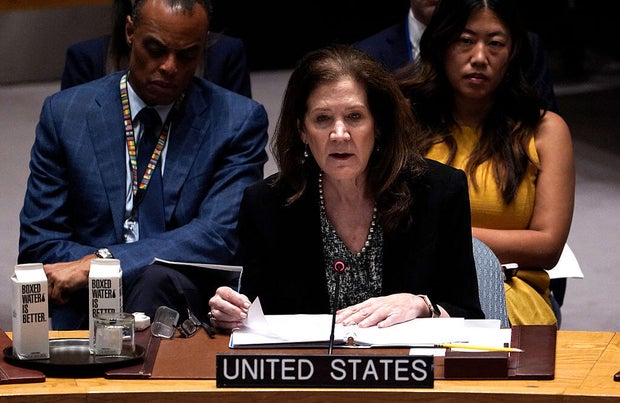
Fractured Diplomacy: Inside the Security Council’s Tumultuous Night on Gaza
“Starvation is already here, not on the horizon.” With those stark words, Deputy Humanitarian Coordinator Ramesh Rajasingham shattered the usual diplomatic decorum at an emergency U.N. Security Council session convened after midnight on Friday.
A Chamber on Edge
The session was called at the request of Ambassador Dorothy Shea, chief U.S. envoy to the United Nations, whose measured address set off a cascade of sharper rebukes.
The Sound of Alarm from Every Corner
China’s delegate, leaning into the microphone, labeled Israel’s siege “nothing short of collective punishment” and warned that targeting civilians has “no place in twenty-first century warfare.”
Russia followed, cautioning that “a reckless intensification” could trigger “uncontrolled escalation across the Levant.” The phrasing carried the weight of recent strikes south of Damascus.
Empty Words and a Single Scathing Phrase
While council members traded prepared remarks, the U.N.’s own humanitarian branch cut through the nuance.
“Starvation is already here… We have frankly run out of words to describe it.”Behind the speaker’s table, the screens flashed photos—shredded apartment blocks, flour dwindling in shuttered bakeries, medics racing past makeshift wards.
Where the Discussion Stalled
| Issue | Sticking Point | Outcome |
|---|---|---|
| Emergency relief corridors | Who guarantees safe passage | Unresolved |
| Sanctions language | U.S., U.K. object | Paragraph scrapped |
| Call for immediate cease-fire | Divided P5 | Meeting adjourned without consensus |
The Empty Chairs
Two seats conspicuously unused:
Their absence magnified the sense that real diplomacy was happening elsewhere.
What Happens After the Cameras Fade
With the gavel’s echo still lingering, delegates exited through metal detectors and winter wind. Aid convoys remained stalled at the Rafah crossing. Inside Gaza, generators blinked off one by one, and another hospital’s ICU plunged into darkness.
“Maybe next week there will be new language,” a junior U.N. officer shrugged outside the chamber, “but will there still be people left to hear it?”
More Palestinians killed as they seek aid in Gaza
Latest Gaza Update: Twenty-Six Lives Lost in Crowds Waiting for Food
Emergency Departments Swamped with War-Casualties from Multiple Aid Lines
Medical staff across Gaza say they counted no fewer than twenty-six fatalities in the past twenty-four hours, all of them Palestinians who were standing in or around aid-collection areas when lethal fire struck them.
Where the Victims Were Found
- Khan Younis–Rafah frontier: Ten bodies arrived at Nasser Hospital after gunfire erupted beside the freshly built Morag corridor.
- Northern edge near Zikim crossing: Shifa Hospital in Gaza City confirmed another six dead, all gathered outside the gate of the private distribution point.
- Other southern drop zones: Field hospitals registered at least ten additional fatalities in separate neighborhoods where community volunteers were handing out boxes of flour and canned goods.
Witness Accounts
“The trucks had barely rolled to a stop when the first shots came,” described one survivor now being treated for leg wounds at Shifa. He and hundreds of others had spent the night waiting in the hope of receiving a ration pack.
Rising Strain on Remaining Medical Points
Overloaded surgical tents have begun triaging patients on blankets spread across the driveway. “Every hour we receive more; yesterday, entire families were brought to us,” a senior nurse reported. Supplies of IV fluids and blood units for transfusions are said to be critically low.
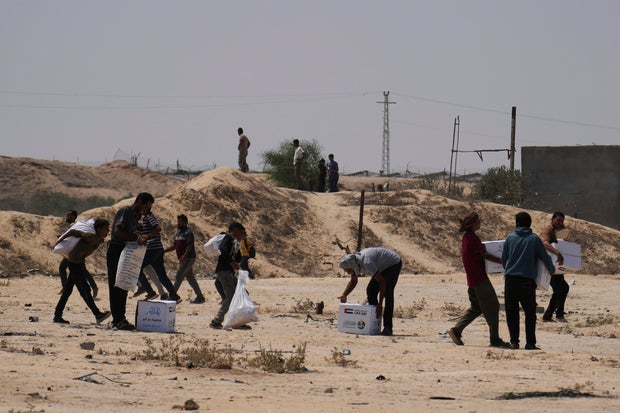
Fatal Scramble for Relief: Six Die as UAE Supplies Rain on Deir al-Balah
Saturday’s air-drop and the deadly aftermath
On a scorching Saturday morning, 9 August 2025, pale-blue crates emblazoned with the silver crest of the United Arab Emirates spilled from transport planes and parachuted into Deir al-Balah. Within minutes, entire families rushed the dunes to secure pouches of lentils, water purifiers and emergency medicine.
The scene, captured by photographer Abdel Kareem Hana, quickly turned from jubilation to panic as two simultaneous stampedes erupted farther south.
- Khan Younis: three men trampled after rumours spread that only token rations remained.
- Rafah: two women and a teenage boy reportedly caught in cross-fire, though witnesses differ on the source of the shooting.
Nasser Hospital’s grim tally
A spokesperson at Nasser Hospital confirmed that six people arrived “with injuries incompatible with life,” stressing that four had no gunshot wounds, suggesting lethal crush injuries rather than combat.
The Gaza Humanitarian Foundation, which co-ordinates several drop zones, disputed local accounts: “Our monitors logged no security incidents on or adjacent to our sites today.” Israel’s military relayed the same message, insisting “no troops were engaged near central-Gaza aid points”.
Netanyahu weighs in during rare press appearance
Prime Minister Benjamin Netanyahu, speaking from West Jerusalem, rejected any assertion of state negligence, training blame squarely on Hamas.
“Hamas still fields thousands of armed terrorists across Gaza,” he declared. “Ordinary Palestinians are begging the international community to liberate them from this chokehold.”
In a notable shift in rhetoric, the premier conceded outright shortages:
“There is deprivation—no two ways about it—but claims of widespread starvation do not match the intelligence we receive.”
Vague promise of more hubs
Netanyahu concluded by announcing Israel’s intent to multiply humanitarian depots, yet he offered no timeline, map, or criteria for selecting new locations. Gaza’s besieged residents, watching the live broadcast from cracked solar radios, greeted the pledge with subdued hope and familiar skepticism.