Geneva Hosts Marathon Session, Yet Global Plastic Treaty Remains Unsigned
Eleven-Day U.N. Talks End in Deadlock Over Two Make-or-Break Issues
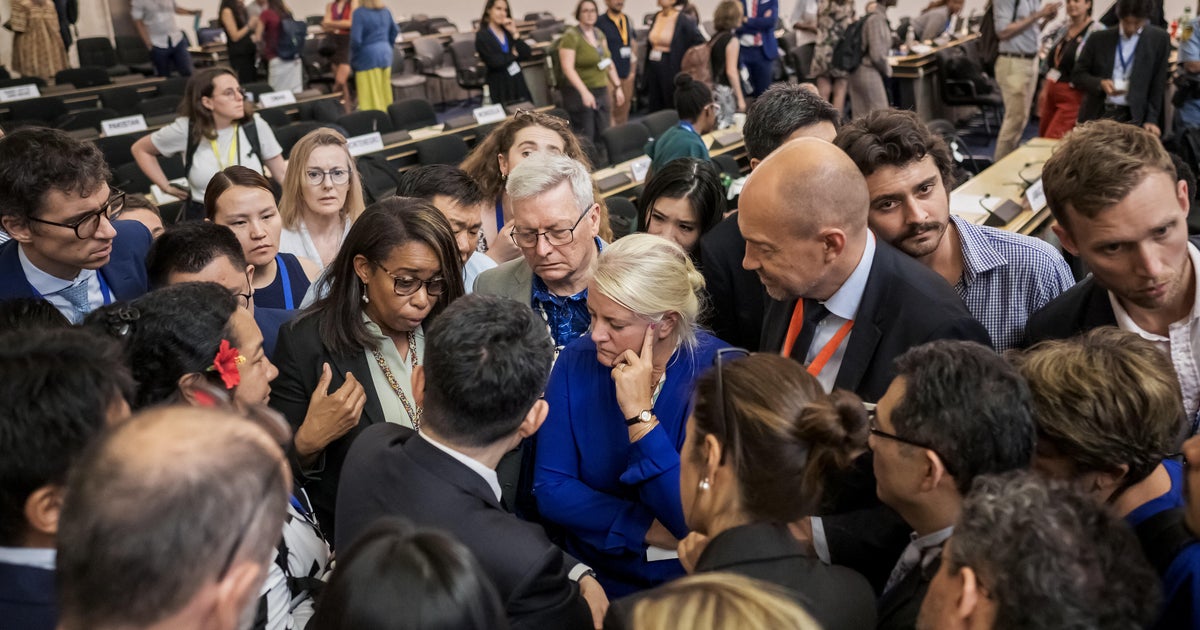
Geneva wound down its spring negotiations on Friday morning with no celebratory gavel, but with the same thorny questions that arrived eleven days earlier. More than 1,000 delegates left the United Nations offices knowing the world’s first legally binding plastics crisis treaty is still somewhere in the “nearly there” zone.
Where the Process Stands
- Final round: originally framed as “the finish line”
- Papers signed: zero
- Countries supporting caps on global plastic output: a vocal majority including island states
- Countries against hard limits on production: petrochemical giants and emerging economies
- Middle ground on toxic-additive rules: not yet found
Key Sticking Points
1. Capping Runaway Production
Several delegations demanded explicit language to curb the exponential growth of virgin polymer manufacture. Opponents argued that consumption, not production, drives pollution and that supply-side restrictions could stifle national industries.
2. Legally Binding Chemical Controls
Thousands of additives—colorants, flame retardants, plasticizers—enter everyday items. Scientists link many to cancer, hormone disruption and aquatic die-offs. A coalition of 60-plus nations wants robust, global toxic-chemical oversight. Petrochemical powers prefer voluntary national action plans instead.
Deja-Vu from Busan
This is the second time in twelve months negotiators leave the table empty-handed. After last year’s impasse in South Korea, the U.N. Environment Programme called Geneva a “last-call” session. Instead, the draft agreement now resembles a Swiss cheese: filled with brackets and footnotes that signal unresolved conflicts.
Next Steps and Stakes
Diplomats are eyeing a possible reconvening in Nairobi within six months. Meanwhile, one truckload of plastic waste every minute dumps into the ocean. Without a binding accord, the Ellen MacArthur Foundation projects oceans could contain more plastic than fish by weight before mid-century.
For now, the conference room lights are dimmed, the recycled-paper nameplates boxed away, and planet Earth still waiting for more than promises.
Geneva’s Plastic Marathon Runs Overtime—Still No Finish Line
Early Friday, 15 August 2025— In the hushed corridors of Geneva’s Palais des Nations, recycled-plastic gavels fell silent after three gruelling weeks. Delegates from 184 countries left their seats frustrated, clutching two rival drafts and zero consensus. The talks on a landmark plastic-pollution treaty had to add an extra 24 hours, yet still adjourned without a working text. Everyone agreed the planet is choking, but no one could agree on who should loosen the noose first.
What Kept Them Arguing Through the Night
- Root Cause vs. Rearguard Action: Roughly one hundred states—led by a coalition from Africa, the Pacific and the EU—insisted on mandatory production caps. Their mantra: you can’t manage what you keep making more of.
- Circle-the-Waste Approach: Oil-rich economies and major petrochemical firms countered that design tweaks, recycling technologies and better waste logistics can curb leakage while keeping industry alive.
- Chemistry of Concern: A growing bloc urged explicit controls on toxics like bisphenols and PFAS; others warned any chemical list could balloon into “regulatory overreach.”
A Tale of Two Drafts—Both Stillborn
Chair Luis Vayas Valdivieso rose at dawn to offer a pair of compromises, each trimmed of the other side’s sharpest edges. Delegates pored over Article 4 (“Primary Plastic Polymers”) and Annex II (“Problematic Substances”), but no camp accepted either version as the backbone of future talks. At 9:53 a.m. the gavel, molded from reclaimed Nairobi bottle-tops, called time.
The Arithmetic of Overflow
Global resin output now tops 400 million metric tonnes a year; forecasts project nearly 680 million tonnes by 2040 unless policies bite deeper than slogans. Each extra tonne, researchers reminded negotiators, yields micro-particles now documented in cord blood, rain clouds and the Mariana Trench.
Voices From the Gallery
Norway’s lead delegate: “Walking away empty-handed is a gut punch to every whale washing ashore tangled in trash.”
European Commissioner Jessika Roswall: “History will not grade us on how cleverly we stalled; it will ask what we delivered.”
China’s delegation chief: “A marathon has false peaks; we’ll keep running until the summit truly appears.”
Saudi Arabia: “Balance was absent; production figures belong to national sovereign plans, not treaty clauses.”
The Quiet Science in the Loudest Room
Bethanie Carney Almroth, toxicologist at the University of Gothenburg, noted that peer-reviewed evidence has not “moved an inch” since negotiations began. Plastics drive infertility, metabolic disorders and respiratory disease from cradle to grave, she stressed, adding a Lancet pre-meeting brief priced the collateral damage at $1.5 trillion a year.
Creativity Met Cynicism at the Doors
Indigenous leaders sang a song about river spirits while wearing costumes sewn from discarded food wrappers. A delegation of waste pickers circled the lawn pushing a cart shaped like a giant fish stuffed with single-use bags. Several CEOs of circular-economy start-ups left pledging to “build the treaty we wanted” unilaterally—yet even they admitted voluntary action can’t substitute for binding rules.
Two Paths Forward
The gavel’s echo leaves only the calendar: negotiators will meet again, likely in mid-2026 in a yet-unconfirmed location. Whether the next session builds on today’s drafts or shreds them wholesale remains the open question no gavel can answer.