US and UK Face Off Over Huawei in the 5G Arena
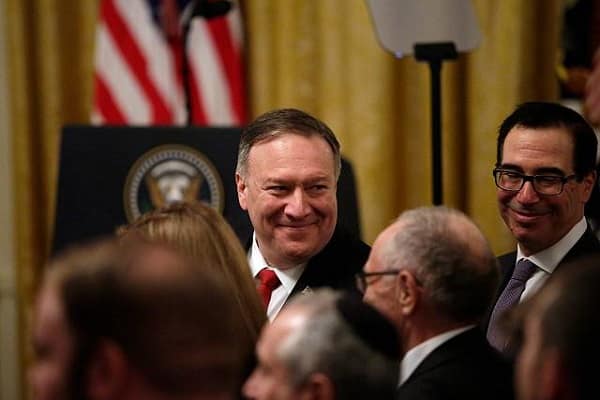
In a bustling London meet‑up, U.S. Secretary of State Mike Pompeo stepped onto the stage to reassure Britain that the two countries would “get this right” as concerns about Huawei’s shadowy presence in 5G skyrocket.
His message? Huawei is a big, unmistakable spying risk—so big, that even a footnote can’t hide it. He even went so far as to call the Chinese Communist Party “the central threat of our times.”
While Pompeo paints Huawei as “deeply tied” to the party, he simultaneously expresses confidence that Britain and the U.S. can navigate the mess together. “I’m very confident that our two nations will find a way to work together to resolve this difference,” he said, hoping the partnership can stay smooth rather than glitchy.
Boris Johnson’s Tactical Move
Just days earlier, British Prime Minister Boris Johnson opened the door for Huawei to sneak into a limited slice of the UK’s 5G horizon. It’s a classic political balancing act: “We need the best tech, yet we cannot endanger our friendship with the U.S. or our Five Eyes allies,” he told MPs.
Cyber Security Vibes from the National Cyber Security Centre
- Chief Ciaran Martin reiterated that “high‑risk vendors will never find a home in our most sensitive networks.”
- He also shared that the NCSC has rolled out guidelines to help telecoms deliver 5G safely.
MPs – The Drama Continues
While Johnson’s defense is clear, parliamentarian Tom Tugendhat warned: “We’re allowing the fox into the hen house.” The debate remains heated, with some voting for keeping Huawei out entirely and others leaning toward a cautious, segmented approach.
What’s Next?
As the UK decides whether a “fox” can efficiently roam the 5G network, the stakes are high and the conversation is electric.