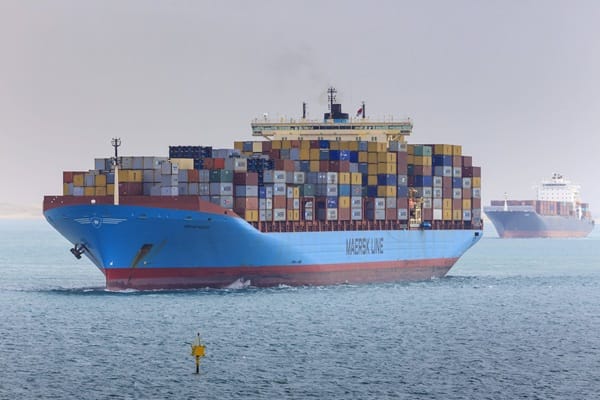
Red Sea Chaos: The Shipping Industry’s New Reality
With every new missile or drone launched by the Houthis, the Red Sea turns into a giant traffic jam for the world’s cargo ships. The U.S. and U.K. forces have been doing battle‑armor‑level guard duty, but the price tags on that protection are driving freight rates up like a hot air balloon stuck to a windy day.
Why Shippers Are Counting Their Pennies
- Container Rerouting: 70‑80% of the global container traffic is now taking the long, scenic detour around the Cape of Good Hope.
- Price Surges: Freight, container, and insurance costs have skyrocketed, leaving exporters scrambling.
- Capacity Crunch: Major carriers (CMA CGM, MSC, Maersk, Hapag‑Lloyd) have suspended Red Sea operations, tightening the supply of Shipper‑Owned Containers (SOCs).
What Christian Roeloffs, CEO of Container xChange, says
He paints a bleak picture that’s “nightmare” for the industry, especially as Chinese New Year approaches. The shocks are already felt: container availability is tighter, vessel space is scarce, and schedules are roiled. But he keeps a silver lining for the future.
Mid‑term forecast:
- High freight rates will stay for a while.
- Eventually, market overcapacity should ease the price squeeze.
- Blank sailings will grow, pushing capacities down.
Regional Ripple Effects
Israel’s Eilat Port
Shipping activity dropped by 85% last month—a lit‑on‑fire casualty of Red Sea unrest.
Europe’s Win‑Loss Story
European shipments are delayed, yet the supply‑demand gap absorbs the shock, keeping rates below the post‑COVID surge that some feared.
China’s Hot‑Spot
Container prices spiked by $750 in just under two weeks. One Chinese customer lamented a 282% rise in freight from China to Europe, jumping from $1,243 to $4,757.
India’s Mixed Weather
Indian exporters see “unpredictable demand” and “tangible impact” of Red Sea disruptions, especially on the ISC region. Though SOCs are plentiful now, big liners’ pauses might trigger shortages soon.
Suppliers, Traders, and the 40HC Conundrum
Hull‑size 40HC units have become the gold‑mining commodity. Prices for routes like Ningbo‑Moscow hit $1,600 today, while China‑Poland is over $1,300. Local depots limit sales to 10 units per buyer hoping for further price hikes. The economics now favor sellers who chase profit over classic cost calculations.
Key Takeaway: Pricing Sentiment Inflation
The Container Price Sentiment Index (xCPSI) tells us the industry’s mood. In Q1 2023, I‑scores ranged −6 to −11—“downward” vibes. Fast forward to January: scores ballooned to 67‑71, flipping the script. Supply chain pros now believe container prices will rise, not fall.
Bottom line: The Red Sea has turned the global shipping game into a high‑risk, high‑reward gamble. If you’re in the logistics crowd, buckle up—there’s no smooth sailing, just waves and windbreaks.
Industry’s way forward: Overcapacity, ever given comparison, and potential challenges
Red Sea Wild Ride: Shipping Costs Soar
What’s Fueling the Price Surge?
Freight rates have tripled in the last month, and container prices are expected to climb even higher in the near to mid‑term. This spike is no small bump; it’s a real shift that’s shaking the way we move goods across the globe.
Hidden Reserves in the Supply Chain
- Shipping networks have amassed a surplus of over 6 million TEUs in the past two years.
- This gap arose because demand lagged behind supply—a soft period that left plenty of empty space.
- Think of it as a safety buffer: if the market gets hit hard, the excess capacity can absorb the shock.
How Long Until the Red Sea Tumbles?
The ripple effect depends on the duration of the Red Sea crisis. If the turmoil drags on and the surplus keeps getting filled, the shipping sector faces real tests.
Take the Ever Given fiasco for example; when global demand hit a peak and space was scarce, rates shot up to 10× pre‑pandemic levels. Even though we’re not smashing those peaks now, the current rate jump is steep enough to feel the sting all the same.
Beyond Price: Safety, Insurance, and Delays
Houthi rebels are kneading in advanced weapons, turning once‑smooth routes into high‑risk corridors. The side‑effects are dramatic:
- Increased chances of hijackings and attacks.
- Greater risk to crews and ships.
- Chain reactions that shout “reroute”, raise insurance premiums, and trigger ugly delays.
Stay in the Loop
Drop a quick note when the next big shift happens—no spam, no fluff—just the real deal for your trade strategy.