Arctic Rangifer on the Brink: Sharp Drop Looms for Caribou and Reindeer
The vast herds that thunder across the circumpolar North may dwindle to a shadow of their former numbers before the century closes. A new integrated assessment warns that every major reindeer and caribou sub-population faces mounting losses as the Arctic warms faster than any other region on Earth.
North American herds to endure the sharpest losses
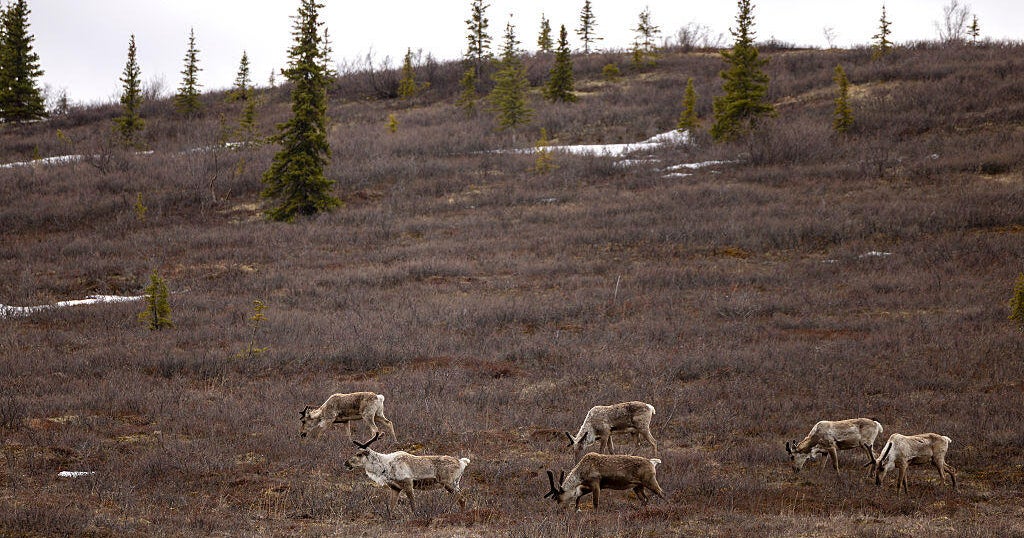
Among the planet’s roughly 9 million reindeer and caribou, those living in Alaska and Canada carry the greatest risk. Known taxonomically as wild caribou in North America—yet genetically identical to Eurasian reindeer—they total some 3.5 million animals. Forecasts indicate these herds may contract by up to 80 % before 2100, transforming iconic landscapes into near-empty expanses of lichen, willow and wind.
A legacy of resilience tested
For millennia, reindeer have mastered shifting ice ages and interglacials. Yet the speed of contemporary warming is unlike anything the species has met before.
- Past cycles unfolded over centuries, giving vegetation and migratory timing a chance to synchronize.
- Today’s climate is lurching ahead in mere decades, collapsing spring ice bridges, shortening forage seasons and fuelling deeper insect harassment during calving.
Already decimated
In only three consumer-age decades, two-thirds of the global herd has vanished. Northern nations once counted vast coast-to-coast caribou treks; now aerial surveys reveal empty river valleys where tens of thousands once rutted.
What it will take to reverse the slide
Even aggressive emissions reductions cannot fully shield current herd sizes, but it can still avert the most severe decline trajectories.
- Deep, rapid cuts in greenhouse gases, beginning this decade, to cap temperature rise below +2 °C.
- Major increases in conservation funding for community-led range protection, predator-prey management, and disturbance limits posed by mining, roads and energy infrastructure.
- Indigenous knowledge integration, ensuring that millennia of lived expertise guides relocation corridors and harvest regulations.
Damien Fordham, Deputy Director of the Environment Institute at the University of Adelaide, stresses that without these combined strategies, the North American caribou scenario “will shift from cautionary tale to ecological tragedy.” The coming years, he adds, “are the decisive interval for safeguarding more than just reindeer—they set the course for the entire tundra biome.”
Arctic Warming Threatens Caribou with Unprecedented Losses
A fresh look at 21,000 years of records reveals that reindeer and caribou face their gravest challenge yet: rapid warming that outpaces anything they have survived before. Field teams led by Elisabetta Canteri combined fossil finds, ancient DNA and high-resolution computer simulations to assemble the most detailed historical map of caribou abundance ever produced. Their sobering conclusion: future herds could plummet beyond the deepest drops recorded after past climate swings.
Tracing the Long Arc of Rangifer Survival
Using thousands of bone fragments collected across the North and genetic material extracted from permafrost-preserved remains, the team charted population highs and lows. Each warm spell—whether 10,000 or 5,000 years ago—left caribou scarcer on the landscape than before. Yet none of those ancient warming bursts match the speed of the current one.
Why Past Extremes Matter
- Shifts in food timing: Earlier plant green-up once reduced summer weight gain.
- Shrinking range: Forest replaced open tundra, squeezing pasture.
- Increased parasites: Warmer winters let deadly insects linger longer.
The Coming Cascades
Ecologists warn the stakes go far beyond a single species. Eric Post, polar biologist at University of California, Davis, emphasized that reindeer act as keystone grazers, trimming tundra sedges and grasses and allowing a mosaic of plants to flourish.
Environmental Dominoes
- Fewer caribou → weaker plant diversity
- Weaker plant diversity → lower carbon storage in Arctic soils
- Carbon leakage → further greenhouse-gas release → accelerating warming
- That extra warming → an even steeper decline in reindeer and caribou…and ultimately in Earth’s own climate stability.
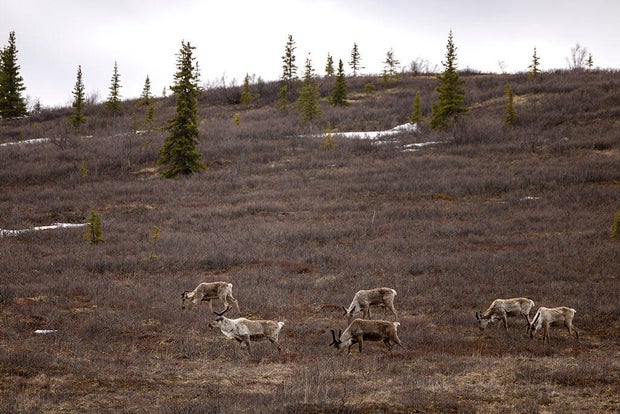
If current emission trends hold, researchers say the Arctic may lose one of its oldest stewards—an echo heard far beyond the snow-covered plains of Denali.