One million seats gone: Ryanair slashes Spain’s regional flights in row over airport fees..
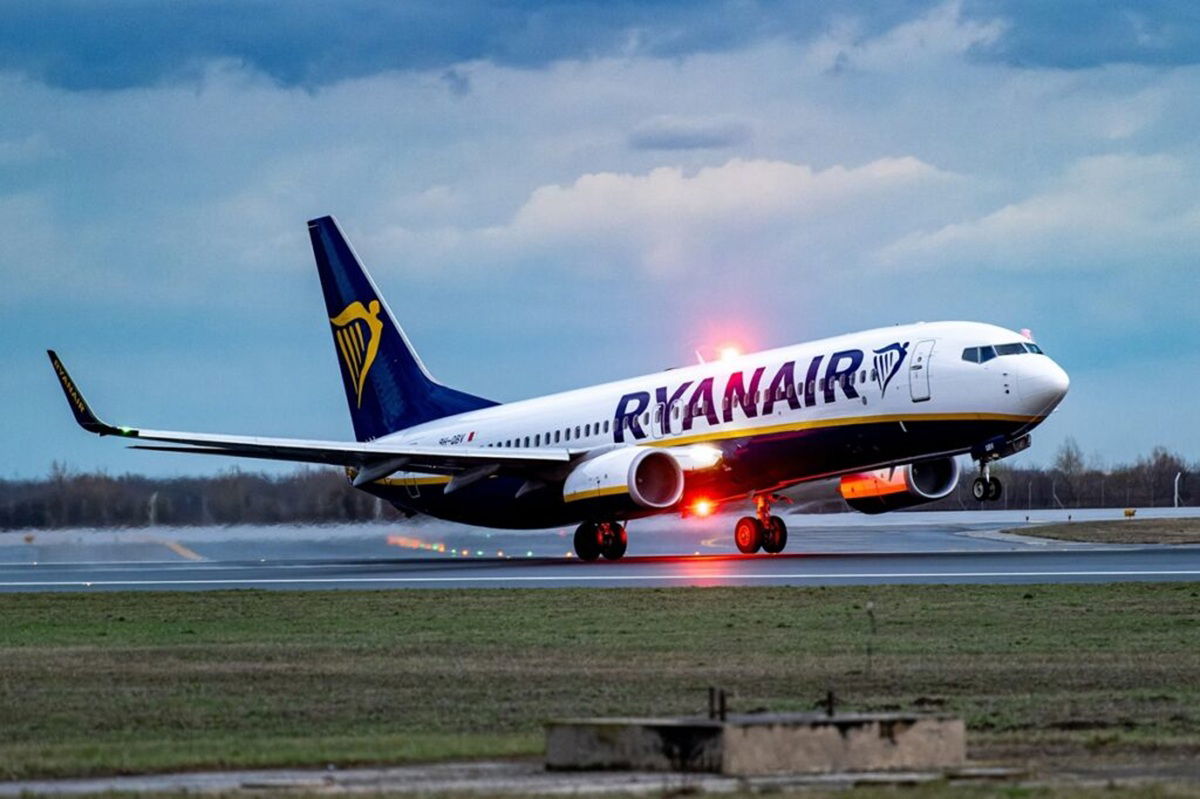
Ryanair is set to strip almost one million seats from its Spanish schedule next winter, and the pain will be felt away from the big-city hubs. The Irish carrier says it will announce the full hit list at a Madrid press conference next Wednesday, but the direction of travel is clear: regional airports are in the firing line after operator Aena confirmed a 6.5 per cent hike in charges for 2026, lifting the average to €11.03 per passenger.
Chief executive Eddie Wilson isn’t sugar-coating it. Spain’s regional network, he argues, is ‘almost 70 per cent empty’ already, and pushing fees higher is ‘unjustified and harmful’ when Aena is posting record traffic and profits.
Most Read on Euro Weekly News
 “>
“>
Property doomsday: EU rule could turn Spanish homes into unsellable bricks by 2030
 “>
“>
UK bank checks on transfers, set to cause expat headache
 “>
“>
Missing: Have you seen Oliver P?
The government, he says, has been ‘indifferent’, leaving infrastructure to “deteriorate and sit under-used”. In plain English: if the sums don’t add up, the planes go elsewhere. “We’ll invest where we can get a return,” Wilson told Spanish media.
This isn’t a one-off tantrum. Over the summer Ryanair quietly cut capacity by 18 per cent at a clutch of smaller fields, ditched 12 routes and shaved off 800,000 seats. It pulled out of Jerez and Valladolid entirely, moved a based aircraft out of Santiago and reduced flying at Vigo, Zaragoza, Asturias and Santander. Now comes the deeper cut for next winter, which Wilson frames as the inevitable result of a “broken pricing structure” at quieter airports.
Capacity moves overseas while Madrid and Barcelona still expand
Where do those seats go? Not to another corner of Spain. Ryanair says the capacity will be reassigned to markets that are actively cutting costs to attract traffic — Italy, Sweden, Croatia, Hungary, Morocco. In other words, places rolling out the welcome mat with lower access charges and targeted incentives. The airline’s line is brutally simple: “If we, Europe’s lowest-cost carrier, can’t make these airports work, no one can.”
And yet, Ryanair isn’t abandoning Spain altogether. It still plans to grow at the big gateways where demand is red-hot — Madrid, Barcelona, Málaga, and across the Balearics and Canaries. That leaves Spain with a two-speed map: capacity brushing up against limits in the mega-hubs while provincial runways go quiet. Aena is drafting DORA III (2027–31), an investment plan to expand and refurbish terminals. Ryanair’s gripe is who foots the bill. Those projects, Wilson says, are effectively funded by airlines through higher charges for decades, not by Aena’s coffers.
The quarrel is coloured by another row – hand-luggage charges. Madrid recently fined five airlines, including €108 million against Ryanair. Wilson calls the move ‘populist’ and predicts Brussels will open a case against Spain for meddling with pricing. It all feeds the narrative that Spain is, in Ryanair’s eyes, becoming a tougher place to deploy scarce aircraft.
What it means for travellers in the ‘España vaciada’
For the sparsely populated heartlands and far-flung provinces, the stakes are obvious. Fewer flights mean fewer visitors, fewer jobs and fewer options. The cheap, frequent connections that keep local economies ticking over are exactly the sort of routes airlines cull when costs rise and planes are wanted elsewhere. Expect winter schedules to thin out at a handful of regional airports while the likes of Barajas and El Prat stay busy.
Could this be avoided? Ryanair has sketched out fixes: tailored, performance-based incentives; tariffs that reflect local demand rather than one national rate; even handing loss-making airports to regional governments or selling them on. “We don’t mind who runs them, so long as they’re competitive,” Wilson says. The message to Madrid is blunt: change the model or watch capacity migrate.
There’s politics in the mix, of course. Aena is 51% state-owned, which makes fee-setting a sensitive business. But there’s also a basic aviation truth at work: aircraft don’t sit idle. If Spain prices out its regional map, Italy or Morocco will gladly take the planes.
For families booking next winter, the practical advice is unglamorous but useful: don’t assume last year’s route is back; check the timetable early; and be ready to route via a major hub if your local airport loses a direct link. Bargains will still appear — Ryanair isn’t about to stop competing hard at Madrid or Barcelona — but for smaller cities the next few months will determine how well they stay connected.
Ryanair has thrown down the gauntlet. A million seats are on the chopping block, the carrier says, because fees are going up and terminals are staying empty. The next move belongs to Aena and the Spanish government. Keep the current pricing — and lose more capacity — or tweak the system to keep those blue-and-yellow jets on regional stands. Right now, the smart money says the aircraft will go where the welcome is warmer
Stay tuned with Euro Weekly News for more news about Travel