
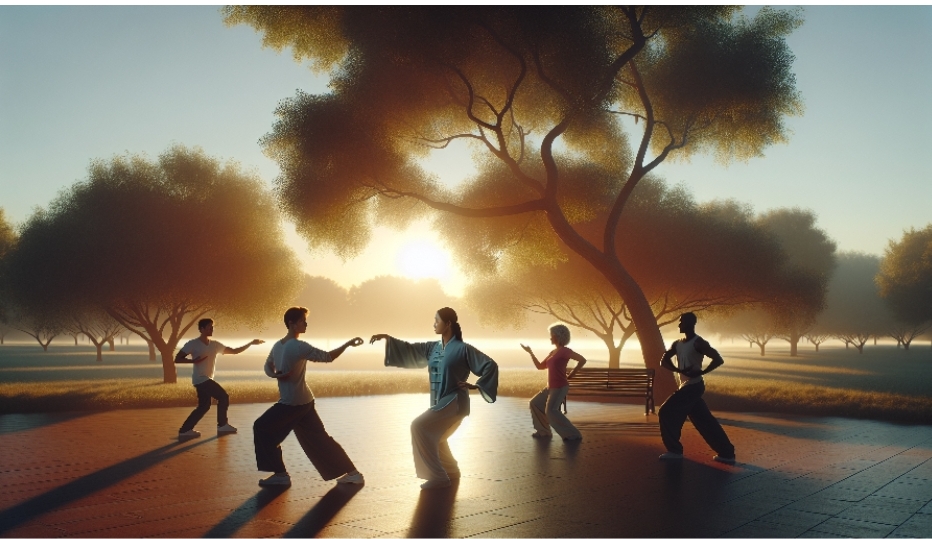
Introduction to Tai Chi and Its Benefits for the Elderly
Tai Chi, a gentle form of martial arts originating from ancient China, has long been revered for its health benefits, particularly among the elderly. With its slow, deliberate movements and deep breathing, it is an exercise that engages both mind and body, promoting tranquility while also invigorating physical health. Recently, Tai Chi’s effectiveness in minimizing the risk of falls—an issue that plagues the elderly worldwide—has garnered attention in the health and wellness sphere.
Falls among the elderly are a significant health concern, leading to injuries, loss of independence, and in severe cases, mortality. As people age, physical strength and balance can diminish, making them more susceptible to falls. The impact of fall-related injuries can be drastic, from the immediate physical harm to the long-term psychological effects, including fear of falling again, which can limit mobility and social interactions.
Prior research on falls prevention has put forth various interventions, ranging from environmental modifications to targeted physical exercises. However, recent studies are shining a light on the potential benefits of Tai Chi in this arena, suggesting that its holistic approach could be more effective than traditional exercises at preventing falls in the elderly.


