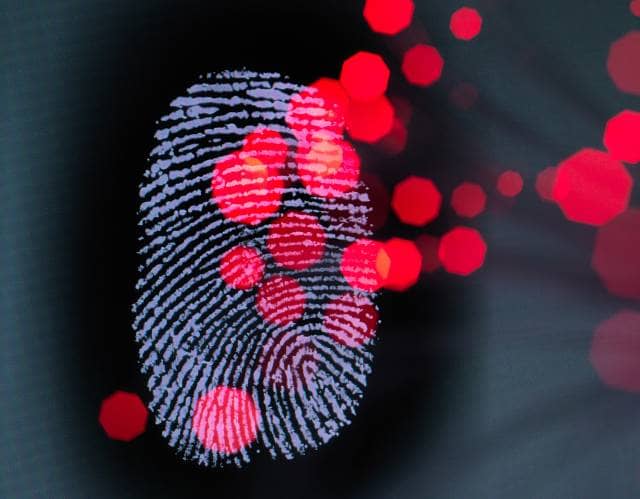
Thales Takes the Sky in Biometrics
Thales, the world‑class digital security maestro, is turning the aerospace playbook into a secret weapon for its Biometric Matching System (BMS). The BMS is the beating heart of governments’ digital ID frameworks, and now it’s getting a turbo‑charged makeover that’s kinder on the planet.
Why Speed Matters for Government ID
When a single traveler’s biometric card must be checked against hundreds of millions of records in just 1–2 seconds, you can’t afford sluggish hardware. This is the gritty reality of modern border control.
Enter FPGA – The “Field‑Programmable Gate Array” Saviour
Gemalto, a Thales sister‑brand, has repurposed off‑the‑shelf FPGA technology that was originally honed for ultra‑low‑latency jobs in high‑performance computing (think finance, genomics, weather models). FPGA boards are incredibly flexible; they play well with any server or cloud platform, giving governments tech that’s both future‑proof and fast.
How It Works
- Each FPGA card compares fingerprint templates—digital signatures crafted from raw images.
- The solution can read hundreds of millions of fingerprints in a flash.
- Because hardware is more efficient, the whole system needs up to 75 % fewer servers and slashes energy use.
What Governments Gain
- Massive speedups and higher matching accuracy.
- Drastic cuts in infrastructure costs and carbon footprints.
- Scalable, customizable platforms (AFIS and ABIS) that handle fingerprints, palm prints, faces, irises, and all the associated person data.
With FPGA hardware, the Automated Biometric Identification System (ABIS) becomes a paint‑brush for governments to sculpt large, complex, multi‑biometric solutions without breaking the bank— or the planet.
Executive Words of Wisdom
Youzec Kurp, Thales SVP for Identity & Biometric Solutions sums it up: “Our FPGA‑based approach cuts data‑centre space and costs in half and curtails CO2 emissions by roughly 50 %. It gives governments a green edge without touching the security needle.”
Compared to a vanilla central processing unit (CPU) strategy, which can need four times as many servers to do the same job, FPGA stands out as the lean, green champion.
Stay in the Loop
Want real‑time updates on this tech marvel? Subscribe now to get the latest on our top category straight to your device.