President Trump Extends the U.S.–China Tariff Truce—A 90‑Day Exit Strategy
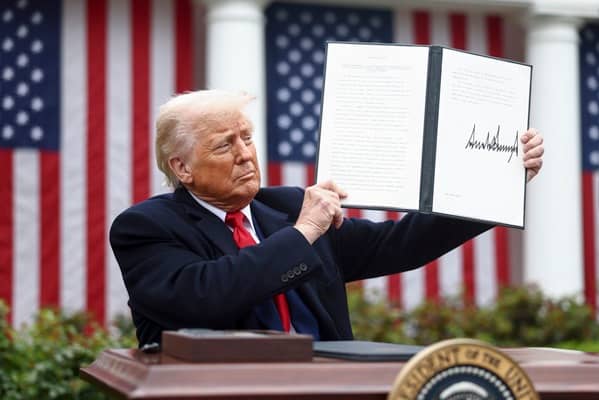
In a move that’s gotten traders scratching their heads and investors sighing with relief, President Trump signed an executive order that pushes back the planned escalation of tariffs between the U.S. and China until November 10, 2025. The result? A temporary pause that keeps import duties on Chinese goods at a steady 30% while U.S. exporters enjoy a lower 10% tariff on the pathway to Beijing.
What’s on the Line for Businesses?
- Less Shock. Companies don’t have to scramble to absorb sudden duty hikes right now.
- Time to Reassess. The 90‑day window offers a breathing spell for inventory planners, pricing strategists, and compliance officers.
- Room for HR. HR teams can leave the rushing to negotiate new salary packages to a later date.
Investor Reaction in Real Time
Stock markets around the globe responded instantly—Asia and Europe saw a gentle uptick as the news sank in, while U.S. retailers felt the warmth of certainty as the holiday season approached. Investors and executives alike have whispered that “this feels like a pause button for a game that’s been running too fast.”
Pragmatic Talk Between Administrations
- Both sides called the move a sensible, pragmatic strategy.
- The U.S. keeps demanding larger soybean purchases and tighter restrictions on Russian oil.
- China reaffirms its commitment to keeping trade dialogue open and stable.
The Short‑Term Window: What to Do Now
“It’s a brief window—think of it like a half‑hour t‑shirt break—where you can re‑check inventory, re‑price, and fine‑tune compliance systems before the truce blows up,” says Mark McCarthy, Chief Revenue Officer at Basware.
McCarthy points out that uncertain tariffs create volatility that can stir hesitation in IT spending. “Big enterprises with global footprints might hold off on major IT investments, revisit priorities, and demand better ROI,” he adds. The message? Invest wisely, stay nimble, and look for cost efficiencies every time you spend.
Compliance Woes: Keeping Order Seas Clear
Michael Joseph from Napier AI highlights how tariff flips can open new channels for money laundering. “The sheer mismatch in rates can tempt illicit actors to manipulate invoices or hide true origins,” he explains. Proactive monitoring and adaptive enforcement are essential to stay ahead of these shady practices.
Bottom Line for Every Business
- Fortify short‑term continuity. Use the break to streamline operations.
- Prepare for the next act. Stay ready if negotiations stall and tariffs shift again in the future.
- Keep communication open. Engage with suppliers who can navigate tricky tax scenarios.
All in all, this 90‑day truce is a price‑stabilizing and confidence‑boosting handhold for companies grappling with U.S.–China trade. While it’s not a permanent fix, it gives everyone a few months of breathing room—just long enough to keep the gears turning without grinding.