Trump Extends U.S.–China Tariff Truce for 90 Days
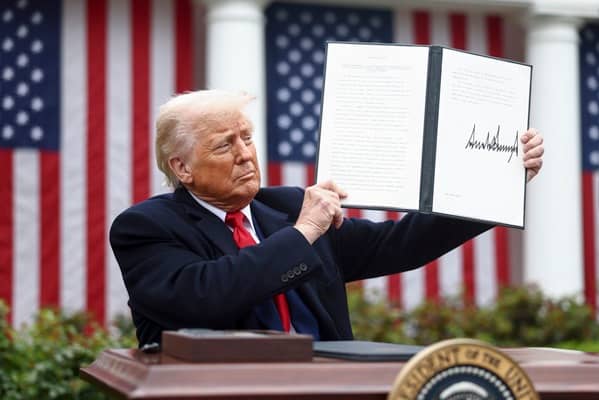
In a move that gave traders a little breather, President Trump signed an executive order keeping the U.S.–China tariff showdown on hold for three months. The deal pushes back the planned escalation—originally set for November 10, 2025—to the end of March 2026.
What the Extension Means for Import Fees
- Chinese goods still hit 30% tariffs, while U.S. products continue to face the familiar 10% fee.
- No sudden spikes in duties, so businesses can breathe a sigh of relief for now.
Stocks and Retailers React
Across Asia and Europe, stock tickers rallied after the announcement, banking on calmer trade waters and a boost to the hope that negotiations will pick up steam. U.S. retailers, in particular, appreciated the added certainty as they roll out holiday inventory stocking plans.
Both Sides Call It Pragmatic, Yet They Have Their Own Demands
The U.S. still insists on big soybean purchases and has tightened rules on Russian oil. China, on its part, affirms its commitment to keeping dialogue open and ensuring trade stability.
Trade‑War Experts Weigh In
Mark McCarthy, Chief Revenue Officer at Basware:
“The constant uncertainty bumps the global economy with volatility. Major firms, especially those juggling complex supply chains, pause large IT spend, reassess priorities, and scrutinize every dollar. Smart companies don’t shut down investments; they tighten focus and chase better ROI, driving cost efficiency where possible. Fewer agile supply chains are emerging from the pandemic, so decisions hinge on vendors skilled in handling the tax and tariff maze. Blending tech solutions with tax compliance will be pivotal when tariffs settle again.”
Michael Joseph, Compliance Expert at Napier AI:
“Changing tariffs, though aimed at economic and security goals, spawn new vulnerabilities. As supply chains reorganize, shady actors find fresh ways to launder money and finance terror. Our research shows this can cost the U.S. economy over $600 billion each year. It’s a risky dance: when products face 10% tariffs on one end but up to 145% elsewhere, criminals roam the loopholes, manipulating invoices, falsifying origins, or shuttling goods through third countries. These tricks are the hallmark of trade‑based laundering, and spotting them becomes tougher amid flux.”
How Companies Can Use the Pause
- Re‑evaluate inventory plans, pricing, and compliance before the truce lapses.
- Employ flexible IT budgeting and focus on high‑ROI opportunities.
- Strengthen supplier vetting to include tax‑aware partners.
- Stay on guard for money‑laundering tactics that might surface during turbulent periods.
Bottom Line
While the 90‑day pause offers a temporary reprieve, economists warn that the extension merely postpones another wave of trade friction unless a lasting deal emerges. Businesses need to stay nimble and ready for the next chapter of U.S.–China trade dynamics.