
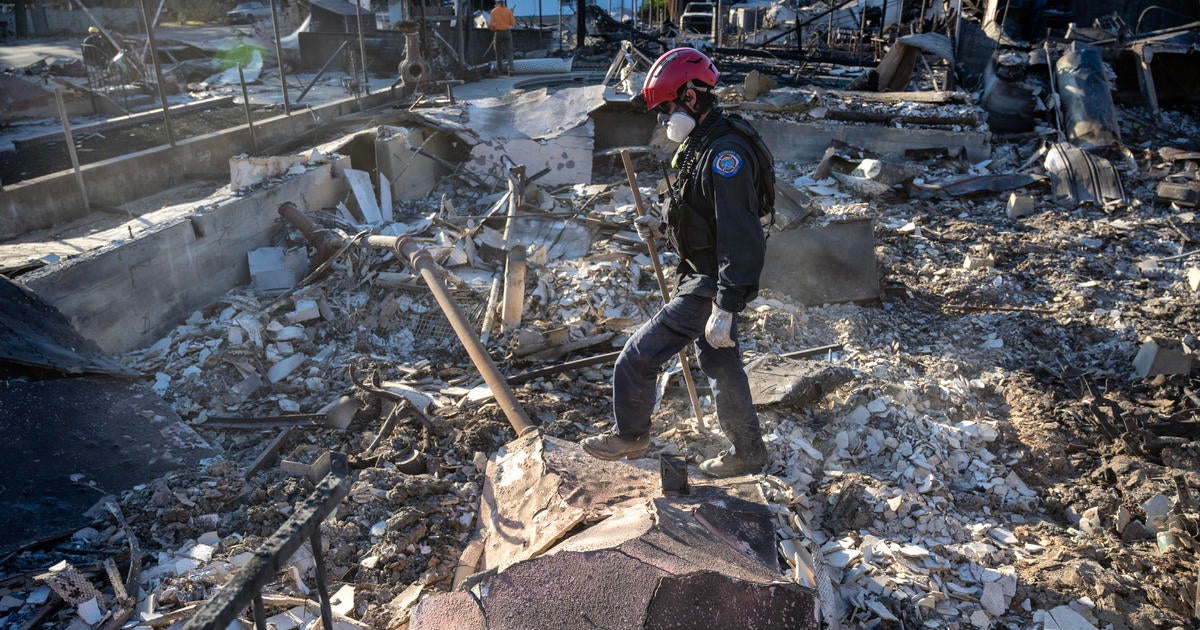
Smoldering Within: The Hidden After-Shock of California’s Fires
Weeks after the last visible ember subsides, Californians may discover that the largest burns are still happening—inside their minds. Experts warn that the emotional fallout from a wildfire season often outlasts the smoke-filled sky itself. Below is a field guide to what might be happening now, what can surface later, and how to tell if what you’re feeling is more than “stress.”
Timeline of Hidden Impact
- 48–72 hours: adrenaline drops, the body’s “let-down” phase reveals racing hearts, nausea, jaw clenching.
- First month: nightmares and intrusive memories begin; concentration fractures; “everything feels unreal.”
- Three–six months: survivors guilt spikes for those whose homes escaped harm; depression peaks for those rebuilding.
- A year out: major depressive episodes and new anxiety disorders often appear for the very first time.
The Smoke You Didn’t See Coming
Toxic Air, Toxic Mood
Even if the walls of your house never overheated, the microscopic debris you breathed could be altering brain chemistry. Researchers now link wildfire smoke not only to lung lesions, but to measurable rises in cortisol, the hormone that primes the body for existential threat. Translation: your nervous system remains on red-alert long after emergency alerts stop flashing.
Indoors Isolation
Being required to keep children, pets and elders sealed behind closed windows erodes two key mental-health buffers:
- sunlight (crucial for dopamine regulation), and
- simple neighbor-to-neighbor check-ins that psychologists call “micro-social nutrients.”
Missing one day feels trivial; missing several weeks can tip already-frayed coping into clinical territory.
Grief in Layers
Layer 1 – The Tangible Loss
The photos, diplomas, heirloom quilts—these are the items on insurance lists and nightly news montages. Losing them creates “anticipatory mourning,” a loop of imagining birthdays, holidays and graduations that no longer have their backdrop.
Layer 2 – The Invisible Loss
The scent of eucalyptus that once signaled “nearly home.” The evening light through a particular kitchen window. Psychologist Dr. Sue Varma calls this “environmental PTSD”—the feeling that the world itself has become unreliable.
Layer 3 – The Guilt Layer
Survivors who kept homes intact describe a queasy cocktail: gratitude laced with shame for having fared better than the neighbor three blocks over. Left unexplored, survivor guilt often mutates into compulsive over-functioning—endless volunteering or rebuilding—creating burnout that masquerades as altruism.
Body Whispers, Mind Shouts
Cardiologists across California now report upticks in young patients presenting with “unexplained” heart palpitations. Gastroenterologists see identical rises in irritable bowel flare-ups. These aches rarely arrive saying, Hey, this is about last fall’s fire. Instead, they whisper through tension headaches, disrupted menstrual cycles or new sensitivity to caffeine. Unless a provider deliberately asks about disaster exposure, the link stays invisible.
Red Flags That Warrant a Check-In
- Sleep: going more than three nights without a full five-hour stretch.
- Irritability: loved ones describe you as “a different person” since the fires.
- Affect: weekends no longer restore you; hobbies feel pointless.
- Cognition: forgetting appointments or how to finish familiar work tasks.
- Somatic: new headaches, stomach pain, muscle tightness.
Next Steps: From First Aid to Full Recovery
Micro-starts: five-minute grounding exercises—name three textures you can touch, two scents you can smell, one sound besides tinnitus.
Medium moves: peer-led circles hosted by the local library, community boards, or volunteer fire stations. Sharing the same zip code becomes an accelerant for trust.
Major care: therapy modalities specifically tested after disasters—Cognitive Processing Therapy, Trauma-Focused CBT, and EMDR—are now offered both in person and via tele-health across the state.
Finding the Right Door
If you feel unsure where to begin, start with the phrase “I think the fires affected me more than I expected.” Primary-care clinicians hear it dozens of times each week and have fast-track referral systems in place. Insurance carriers like Kaiser Permanente and Blue Shield of California have loosened prior-authorization hoops for wildfire-related outpatient visits through the next twelve months.
Bottom Line
California’s hills will regreen; emergency apps will quiet; television trucks will drive on to the next crisis. Yet the circuitry of our brains quietly continues to re-map around flames we may never have touched and smoke we did not even notice inhaling. Recognizing early what looks like “just stress” can prevent a spark of post-traumatic emotion from becoming the next wildfire that never leaves the mind.
The danger of leaving mental health problems untreated
The Wildfire Aftermath No One Talks About: Lingering Mental Wounds
When flames die down and headlines fade, the fire inside survivors’ minds can keep burning. Dr. Eisenman, a veteran disaster-response expert, warns that left without targeted care, psychological distress can smolder for years, silently reshaping every corner of a person’s life.
One Year Later: One in Three Still Scarred
- Large cohort studies reveal that up to 30 % of evacuees, firefighters, and homeowners meet clinical criteria for depression, anxiety, or PTSD twelve months after the last ember dies.
- The disorders do not fade on their own; left untreated they morph into chronic conditions that erode memory, concentration, and the energy needed to rebuild.
Ripple Effects That Reach Far Beyond Mood
Without intervention, post-disaster mental injury becomes systemic. Individuals report:
- Catastrophic drop-out from work or school, triggered by intrusive flashbacks during routine tasks.
- Strained family dynamics, where irritability and emotional numbing replace once-warm relationships.
- Exacerbated physical illness—from hypertension flares to full-body autoimmune flare-ups—as unrelenting cortisol batters the immune system.
The Funding Cliff: When Compassion Gives Way to Fatigue
The current wave of goodwill—volunteer therapists, pop-up clinics, faith-based counseling—cannot last forever. Dr. Eisenman fears a steep decline in resources as the world turns its gaze to the next crisis.
The Double-Impact on Underserved Neighborhoods
In historically under-resourced pockets of Los Angeles, residents already struggled to secure even a single therapy session before the wildfires. As the media vanish and donors move on, these communities face:
- Longer wait times already measured in months.
- Shrinking reimbursement options for clinics that rely on sliding-scale clients.
- Digital barriers to tele-mental-health when reliable internet remains scarce.
Acting Now to Prevent Tomorrow’s Collapse
Policy briefings echo a single command: embed sustained funding mechanisms—local tax levies, permanent FEMA mental-health allocations, public-private partnerships—in the recovery blueprint of every wildfire response plan. Dr. Eisenman puts it simply:
“The emergency may feel over, but the mind’s earthquake is still rumbling. If we pack up the tents too soon, we leave survivors standing in the rubble.”
Ways to cope with wildfire trauma
How Everyday Heroes Shield Their Minds after Disaster
Who Can Help When Trauma Hits
Eisenman, a veteran in crisis work, emphasizes that disaster-focused specialists aren’t the only qualified professionals who can guide survivors. Any licensed psychologist or psychiatrist who has completed rigorous training is equipped to provide meaningful care after a traumatic event. The key is skill, not a narrow sub-specialty.
Red Flags That Signal “Get Help Now”
Dr. Varma urges people to watch for a measurable drop in everyday performance. Warning signs include:
If these difficulties linger for two weeks or more, seek professional attention—whether that means a brief course of therapy or another evidence-based approach.
Common After-Shocks of Trauma
- Anxiety and racing thoughts
- Depression or a flat mood that won’t lift
- Insomnia or broken sleep
- Hyper-vigilance: scanning every room for danger
- Being startled easily
- Nightmares that replay the horror
- Irritability or bursts of anger
- Higher substance use to numb feelings
DIY Coping When Clinicians are Hours Away
For those who can’t secure an appointment right away, Eisenman offers two self-guided tactics:
1. Pull the Plug on Doom-Scrolling
Endless scrolls filled with hot-takes and political spin can be poisonous, especially when outsiders use local tragedy as a soapbox. If the feed hurts more than it helps, log off.
2. Lend a Hand
Volunteering isn’t just good for the neighborhood—it fortifies the volunteer. Eisenman joined relief crews in L.A. never expecting a personal payoff, yet the solidarity lifted his own spirits in ways he hadn’t imagined.
Immediate Support at Your Fingertips
If distress becomes overwhelming, reach out:
988 Suicide & Crisis Lifeline
NAMI HelpLine
Hours: Monday–Friday, 10 a.m.–10 p.m. ET


