Oil Prices Surge Past the $80 Mark: Why the Market’s Feeling Slimy
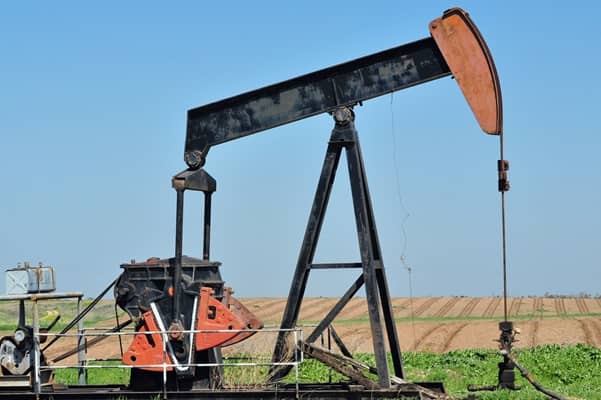
It’s raining money (or more precisely, barrels) on the oil market. West Texas Intermediate (WTI) crude has vaulted past the $80 per barrel threshold, sitting a smidgen at $80.70—its first arrival at this level since July. That’s an uptick of over 3% in a blink.
What’s Triggering the Price Hike?
- U.S. Barrel Shortage – The American reserve pool has dipped to its lowest point since 2022, thanks to a surge in exports and a slump in imports.
- Russian Sanctions – U.S. restrictions on Russian crude have frayed global supply lines, sparking uncertainty that’s nudging prices up.
- Geopolitical Shifts – A recent ceasefire between Israel and Hamas, which sealed a hostage swap, has offered a brief breather. Still, it’s a band-aid that hasn’t set the price curve back down.
- OPEC’s Demand Forecast – The OPEC says global demand will climb about 1.43 million barrels per day by 2026. Good news for buyers, less good for sellers.
What This Means for the Market
With sanctions looking set to stay in play, the market expects higher prices for the foreseeable future. The blend of dwindling U.S. reserves, Russian supply shocks, and looming demand growth is a cocktail of volatility that every trader watches anxiously.
The Bottom Line
WTI’s jump over $80 stems from a perfect storm: shrinking U.S. inventories, snuffed Russian supply, regional diplomatic easing—not enough to calm the tide, and a future demand boom that keeps the price paddles ahead. Keep your eye on these variables; they’ll dictate whether oil stays high or takes a dip.
Stay Updated—Right Now
Want the latest buzz delivered straight to your device? Subscribe now and never miss a beat on this market’s every twist.