NATO’s New Move: Embrace Ukraine’s Drone Genius—Not Just Copy It
Just when you thought the war‑time tech scene was all fire‑and‑flood, a fresh LSE IDEAS study tells NATO a simpler trick: lean on Ukraine’s raw, grassroots drone hustle.
Why the Ukrainian Drone Scene is a One‑Stop Shop
- Fast & Furious: Ukraine’s drones aren’t made in big, slow factories. They’re born from a tight network that blends soldiers, civilians, and policy makers.
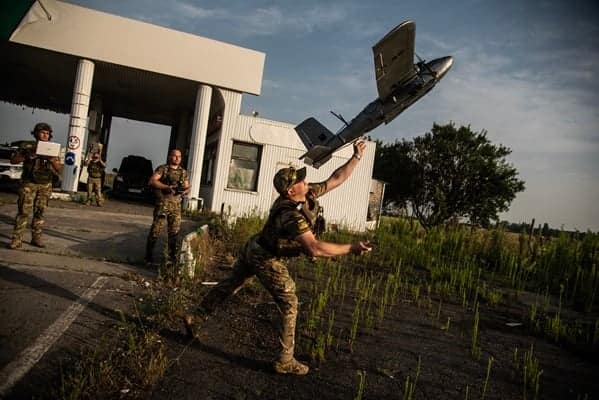
- Start‑up Soul Meets Military Play: Think DevOps, agile sprints, and “bring the start‑up spirit into the military” vibes. Soldiers tweak FPV drone schematics right on the battlefield, giving instant feedback loops.
- Decentralized Power: The war’s chaos actually fuels open‑source collaboration. Every hand on the ground can help tweak a drone without waiting for high‑command approval.
Key Takeaway from the LSE IDEAS Report
Instead of sucking up the entire Ukrainian system, NATO should:
- Support & Integrate – Offer training, funding, and partnership opportunities that let Ukraine’s drone expertise flourish.
- “Mimic, Don’t Replicate” – Learn the underlying principles (like rapid iteration and cross‑disciplinary teamwork) and transplant them into the broader NATO framework.
- Keep It Human‑Centric – Ensure that frontline feedback continues to shape drone design rather than top‑down bureaucracy.
Why This Matters Now
The study points out that by early 2025, many European armies still lack wartime ammunition production. Drones hit the sweet spot: they’re quick, cheap, and can be scaled up much faster than heavy artillery shells.
Bottom line: If NATO wants to stay ahead in the skies, the smartest play is to tap into Ukraine’s rapid‑dev horsepower and let it keep running. That way, the European defence ecosystem can grow without reinventing the wheel.